robot
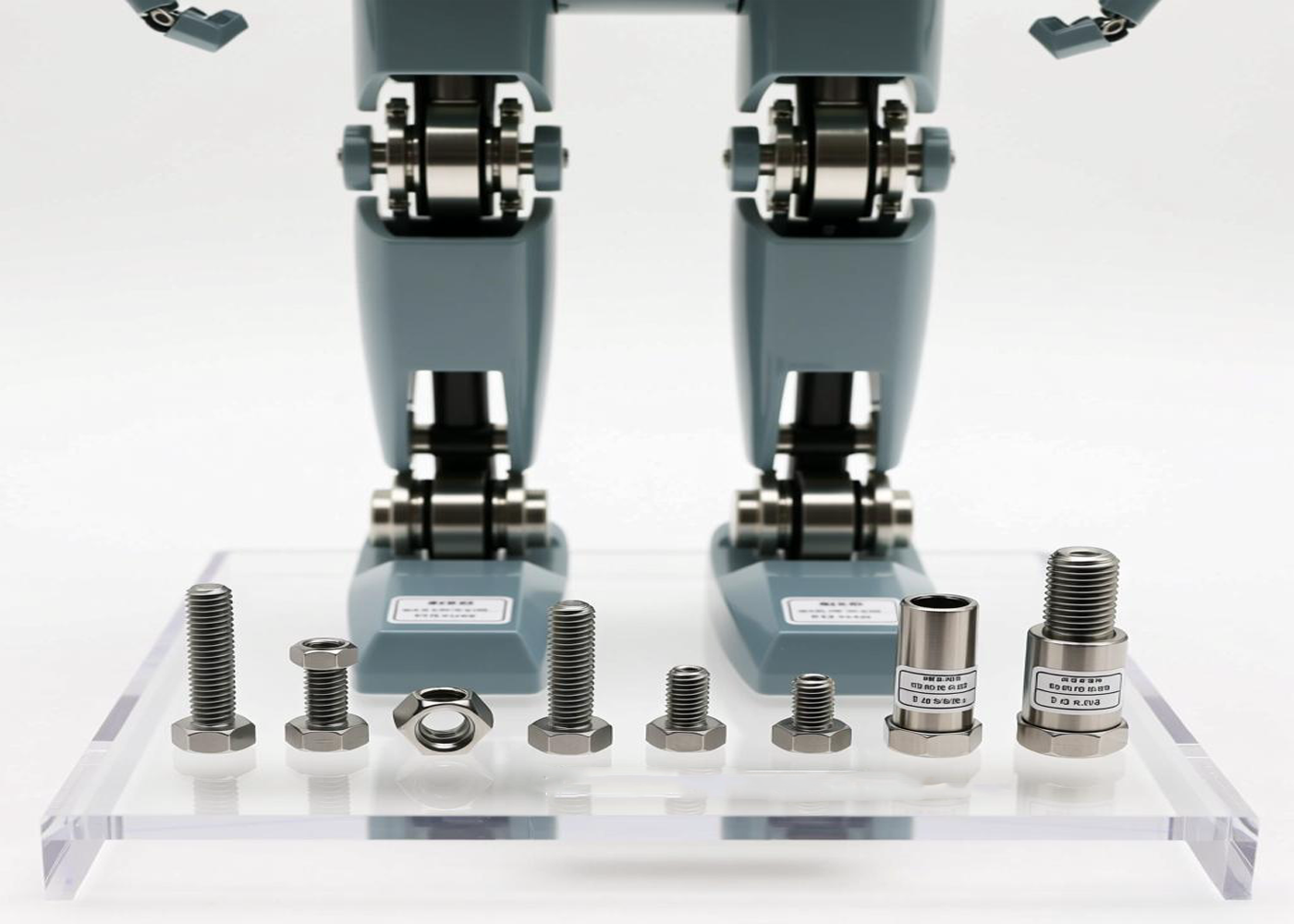
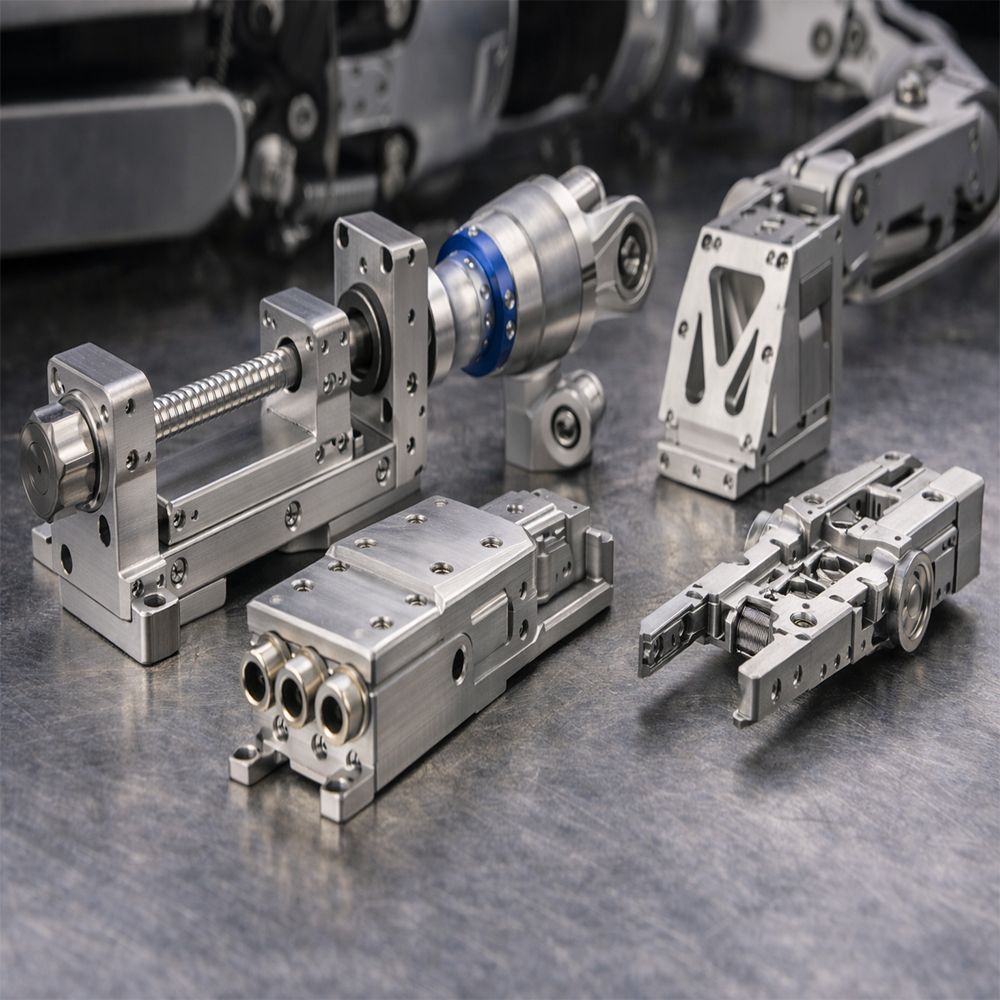
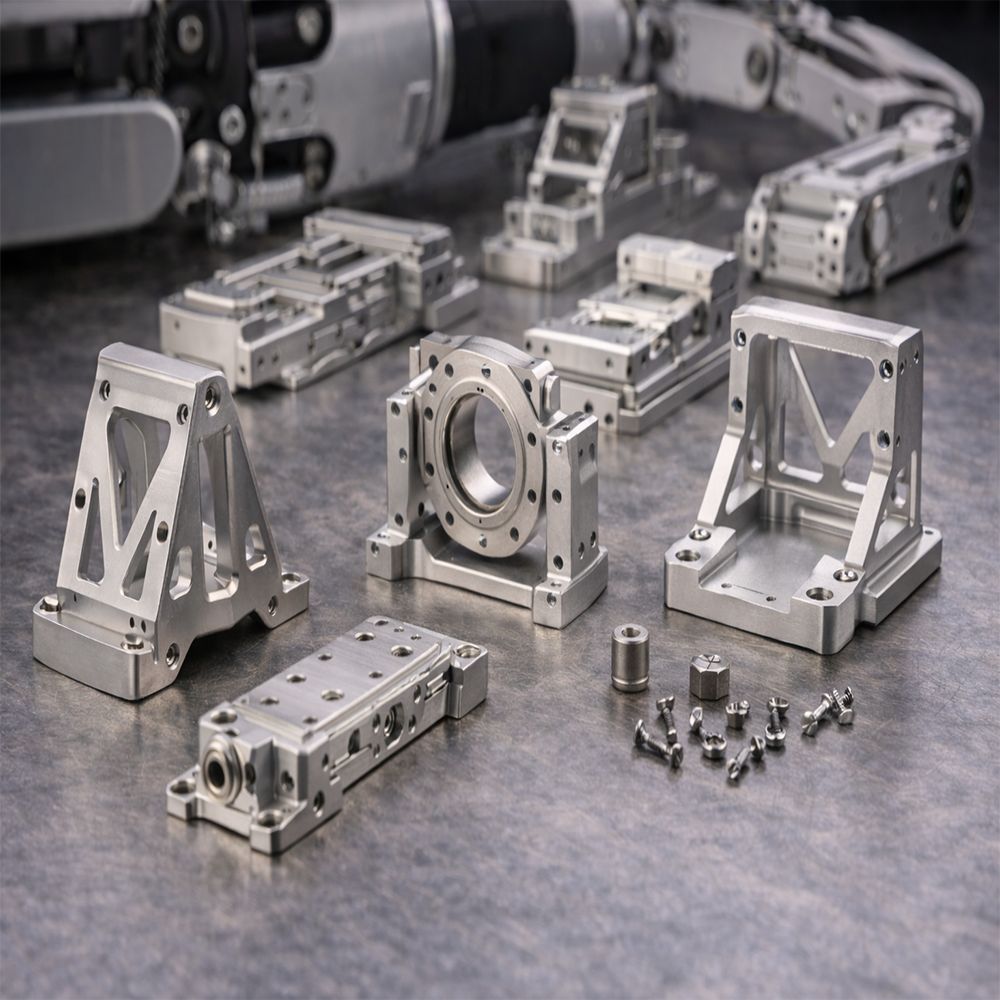
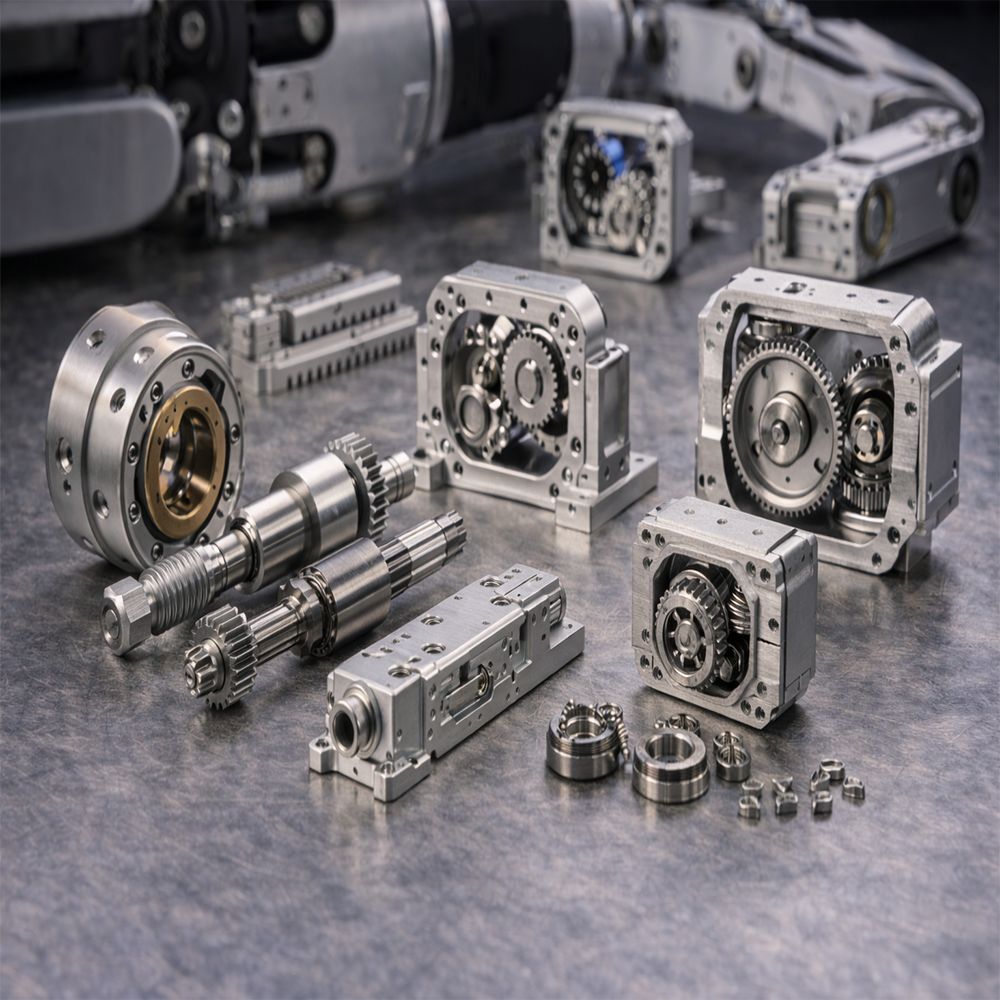
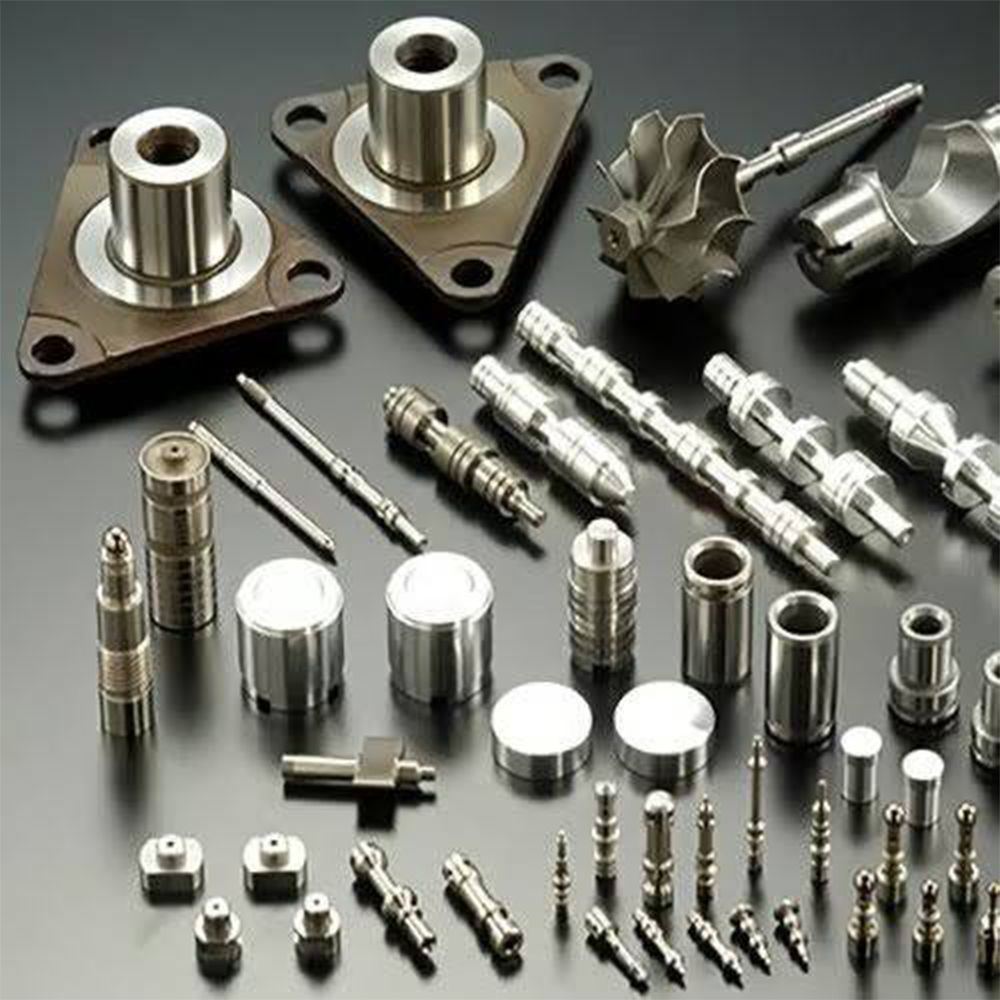
Custom Metal Component Solutions for Robotics
With the rapid development of global manufacturing and automation technologies, robots are playing an increasingly important role in industrial production, medical systems, logistics automation, and smart devices. Leveraging advanced metal manufacturing technologies and a rigorous quality control system, XY provides customized metal component solutions for the robotics industry.
We manufacture high-strength, high-precision, and durable metal components designed for various robotic systems, including industrial robots, collaborative robots (cobots), medical robots, and specialized robotics platforms.
With years of industry experience and engineering expertise, XY supports robotics manufacturers throughout the entire process—from component design consultation and material selection to precision manufacturing and final inspection. Our goal is to help customers improve product performance, reduce production costs, and shorten development cycles.
Whether for industrial automation lines, medical robotics systems, logistics robots, or agricultural robotics applications, XY delivers reliable and scalable custom metal component solutions.
Key Advantages for Robotics Manufacturing
Advanced Manufacturing Technologies
XY offers a comprehensive range of precision manufacturing processes, including:
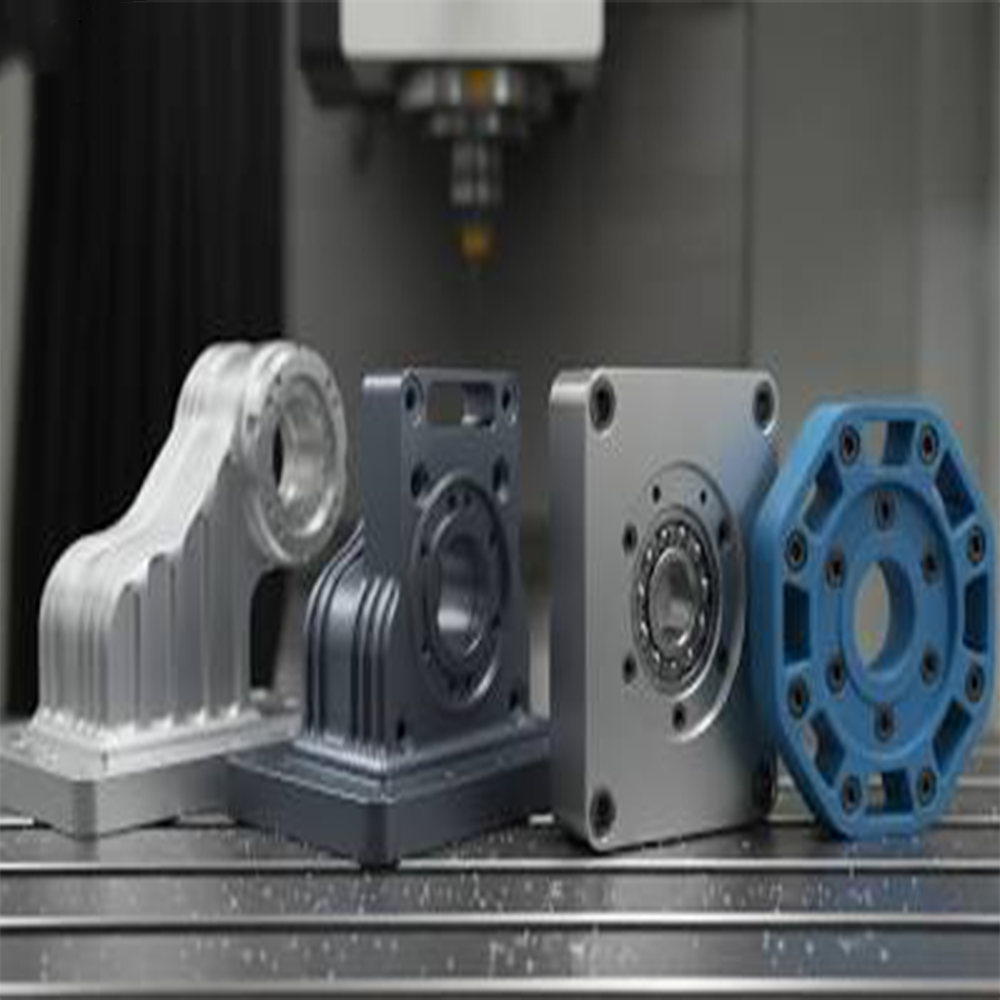
High-precision CNC machining
5-axis machining
Laser cutting
Precision welding
Milling and turning
These technologies allow us to select the most suitable manufacturing process for different robotic components.
High-Strength Lightweight Materials
Robotic systems often require components that combine structural strength with reduced weight. We support a wide range of engineering materials including:
Aluminum alloys
Titanium alloys
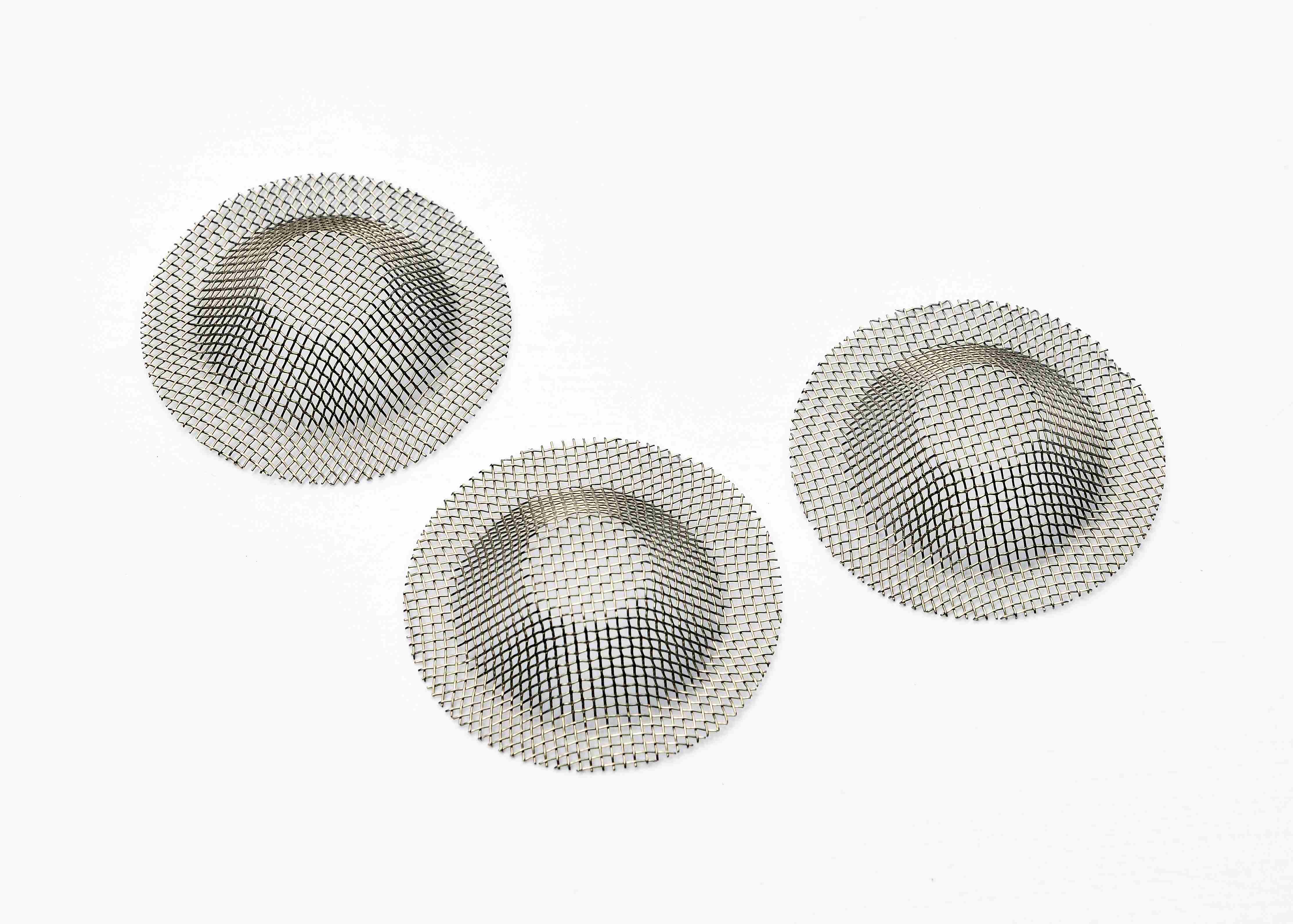
Stainless steel
These materials help improve robot efficiency, durability, and structural performance.
Precision Tolerance Control
Robotic components demand strict requirements in dimensional accuracy and surface finish. XY ensures consistent manufacturing quality through advanced inspection equipment such as:
Coordinate Measuring Machines (CMM)
X-ray inspection systems
These tools ensure that every component is manufactured within the specified design tolerances.
Corrosion Resistance & Biocompatibility
For specialized applications such as medical robots and food-processing robots, we provide materials and surface treatments that meet biocompatibility and corrosion-resistance requirements, ensuring long-term reliability in demanding environments.
Global Delivery & Customer Support
XY supplies custom robotic components not only to domestic manufacturers but also to customers across North America, Europe, Southeast Asia, and the Middle East. With reliable logistics and responsive technical support, we help robotics manufacturers maintain stable and efficient production.
If you are looking for professional custom metal components for robotics applications, XY’s engineering team is ready to provide technical consultation and tailored manufacturing solutions to help your robotic products succeed in the global market.
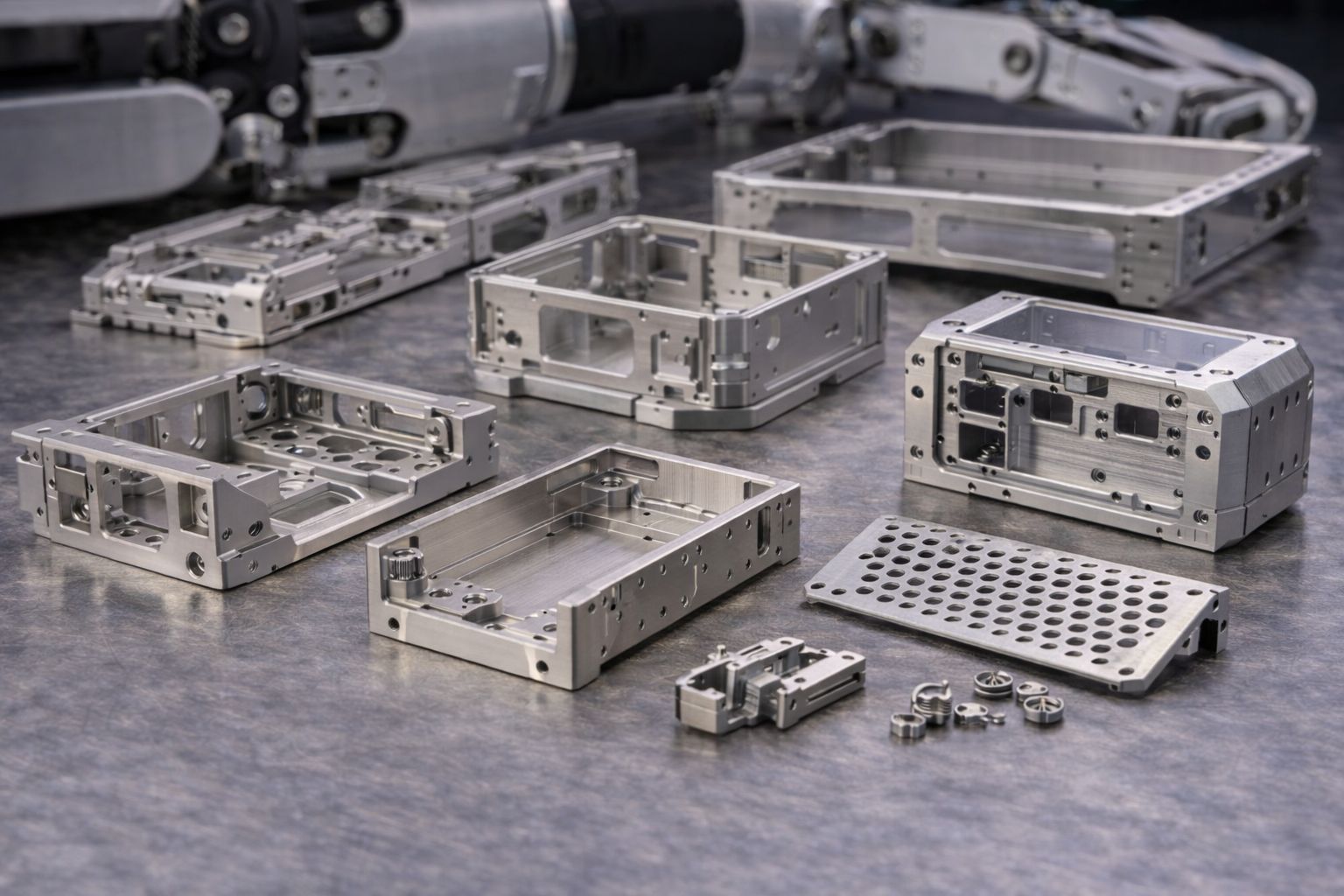
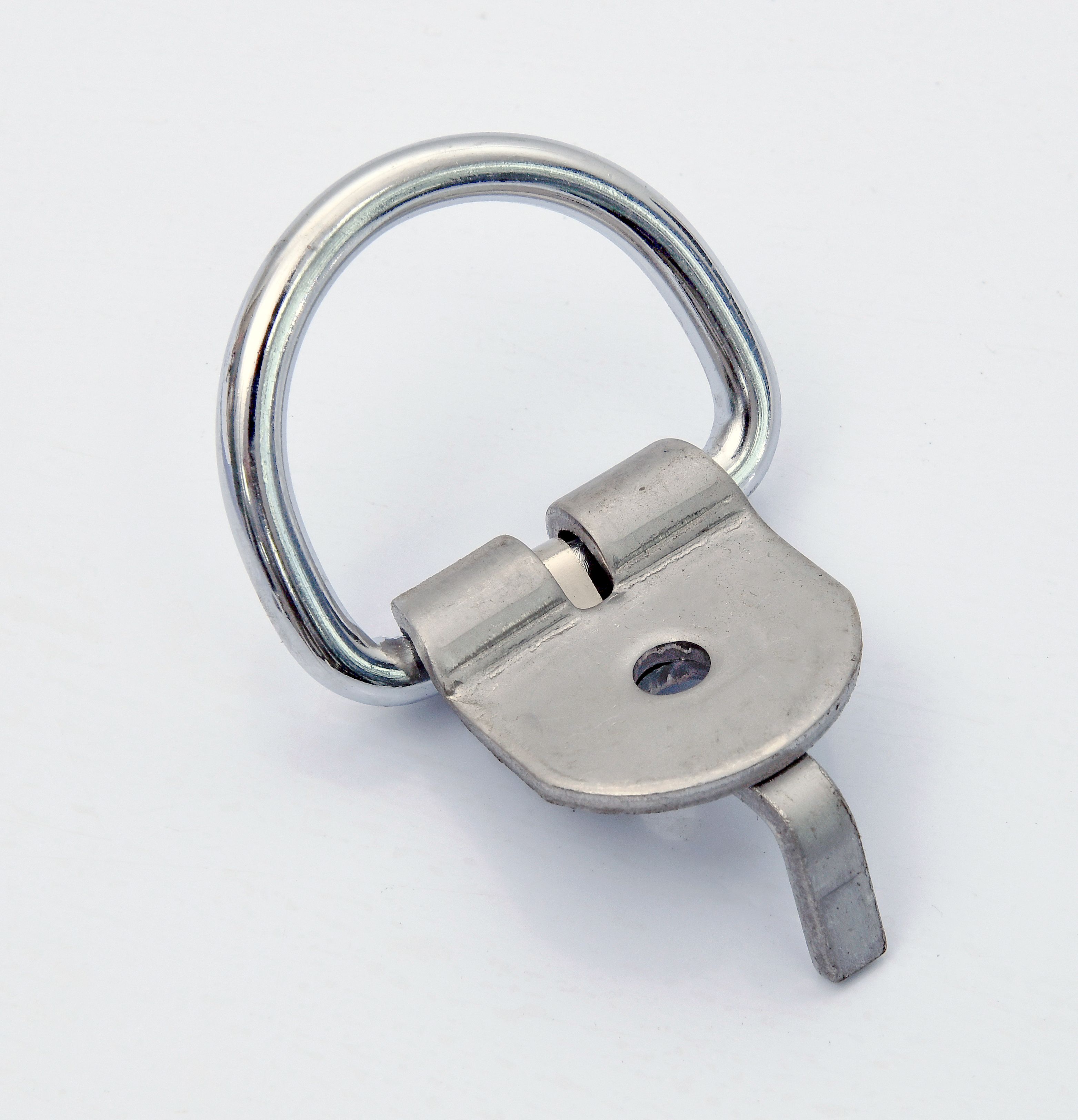
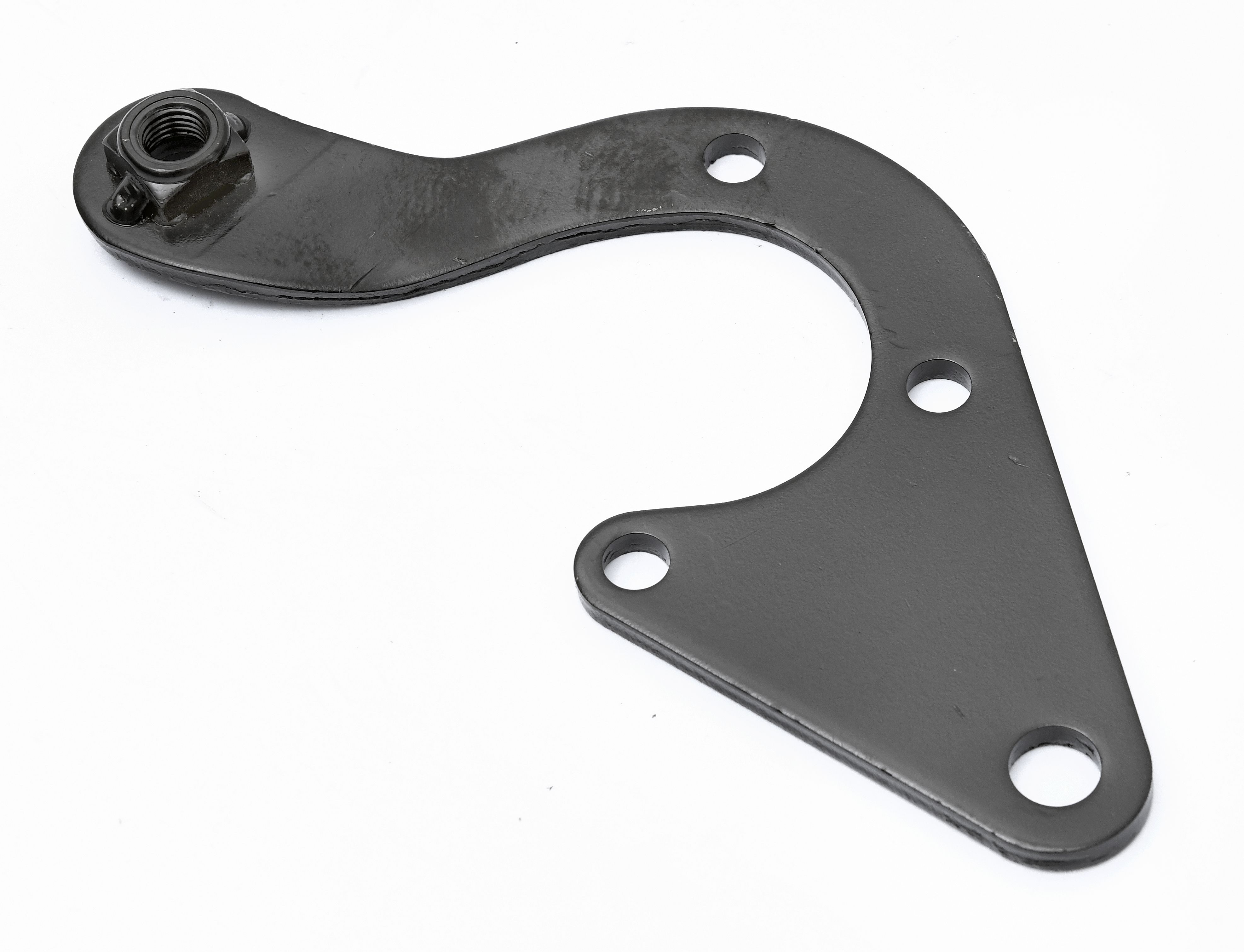
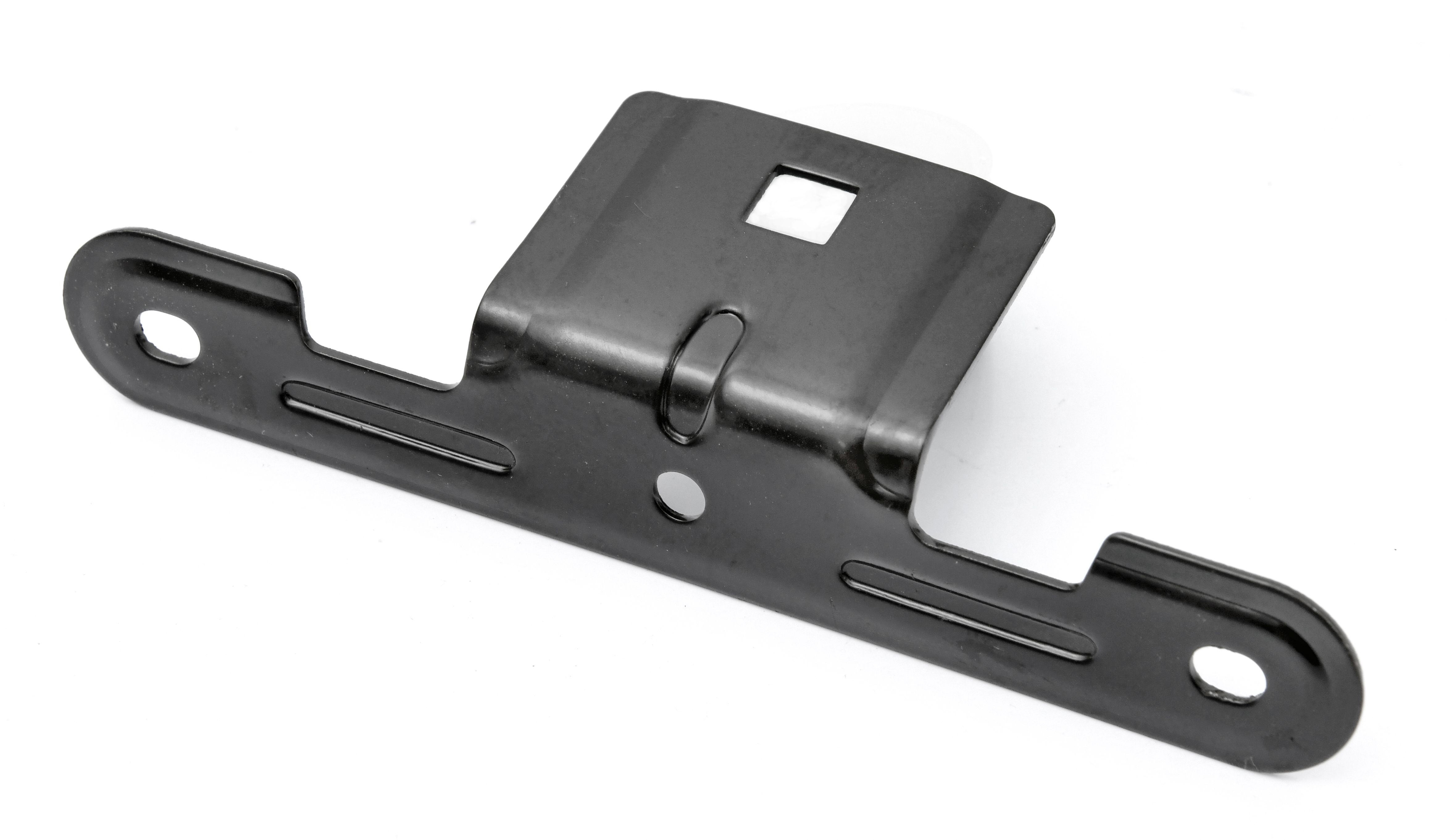
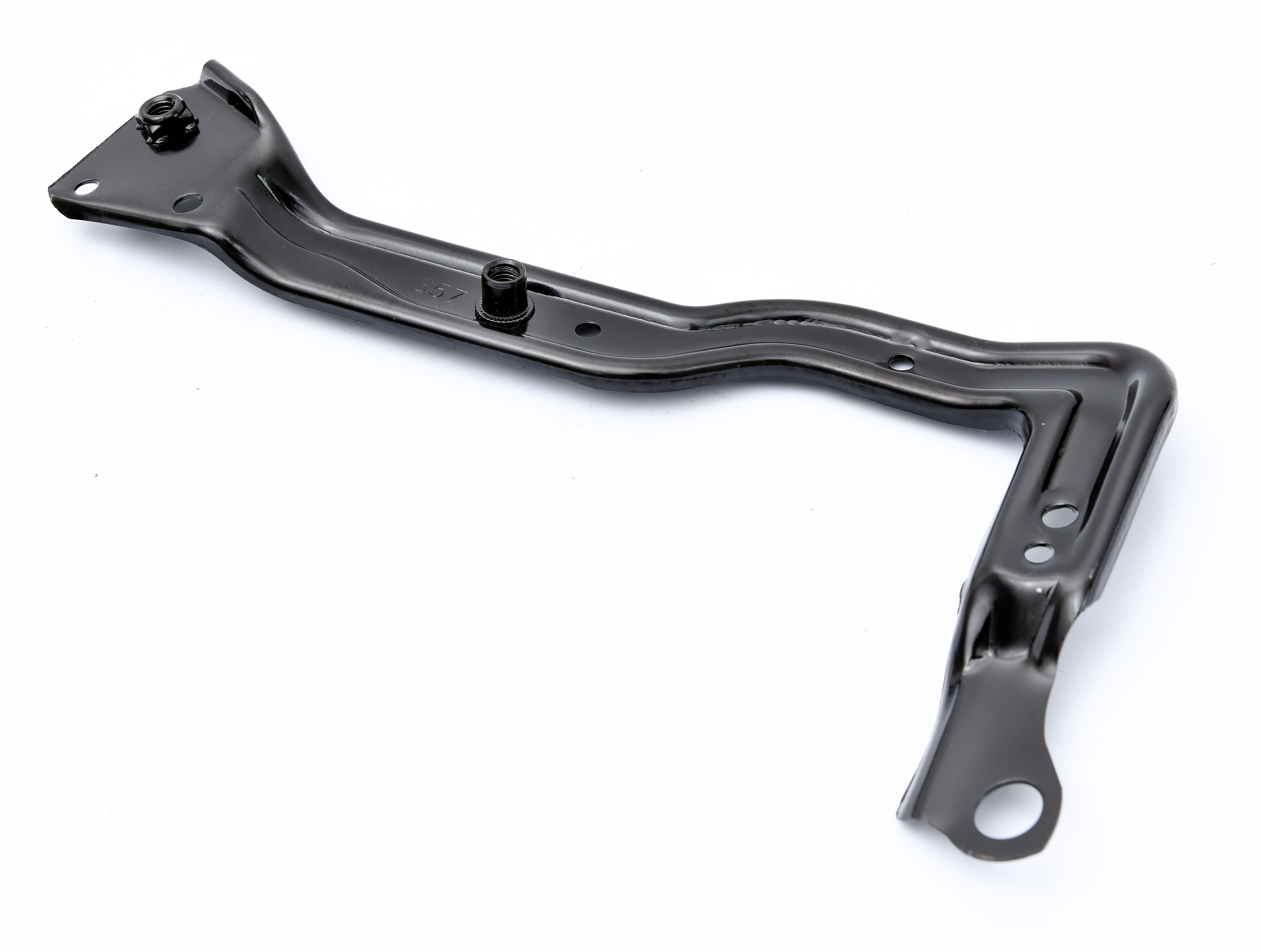
Key Application Areas for Custom Metal Components in Robotics
Robotics systems require high-precision, durable, and lightweight metal components to ensure reliable performance in complex environments. XY provides custom metal parts for various robotic platforms, including industrial robots, collaborative robots (cobots), medical robots, and service robots.
1. Industrial Robots – Precision Manufacturing & High Load Performance
Industrial robots are widely used in automated production lines, including welding, material handling, assembly, and inspection. These systems require components with high load capacity, long-term stability, and wear resistance.
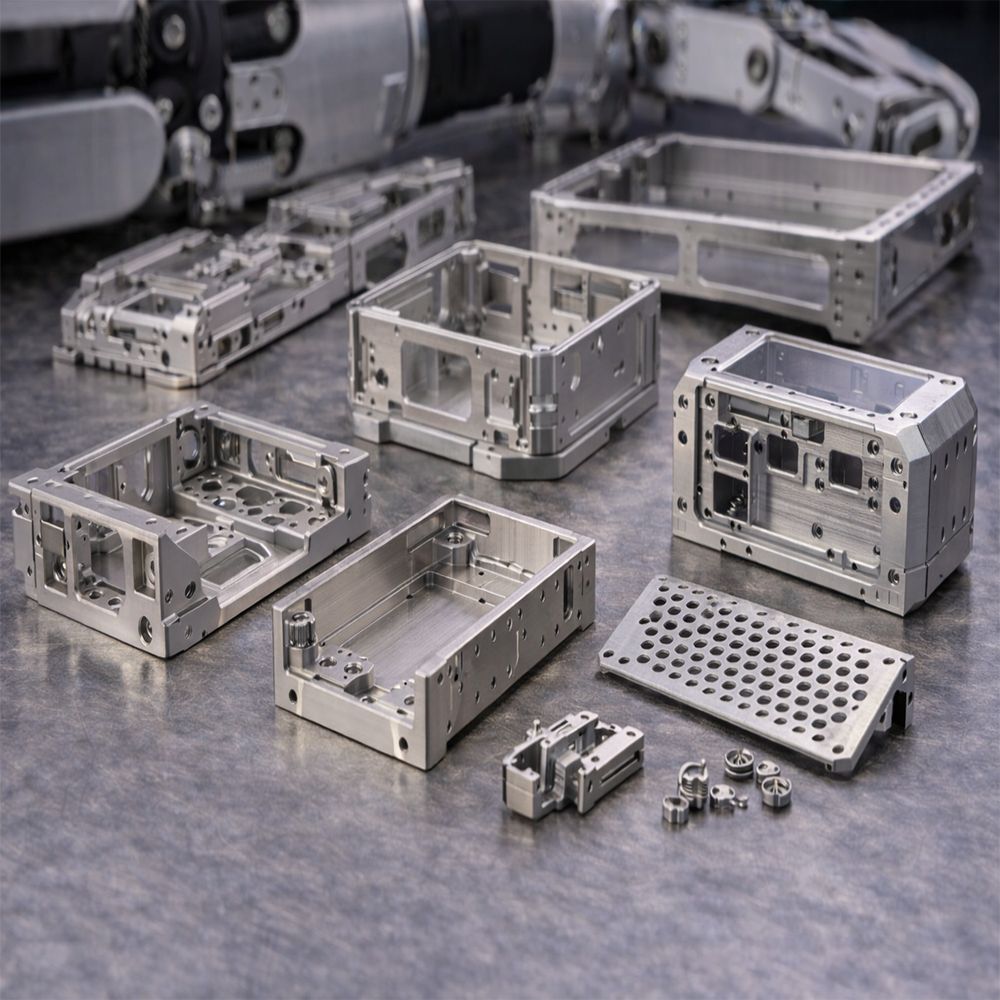
XY manufactures critical components such as robot joints, mechanical arm frames, and transmission structures designed for high precision and heavy-duty operation.
Key Components
Robot joint modules
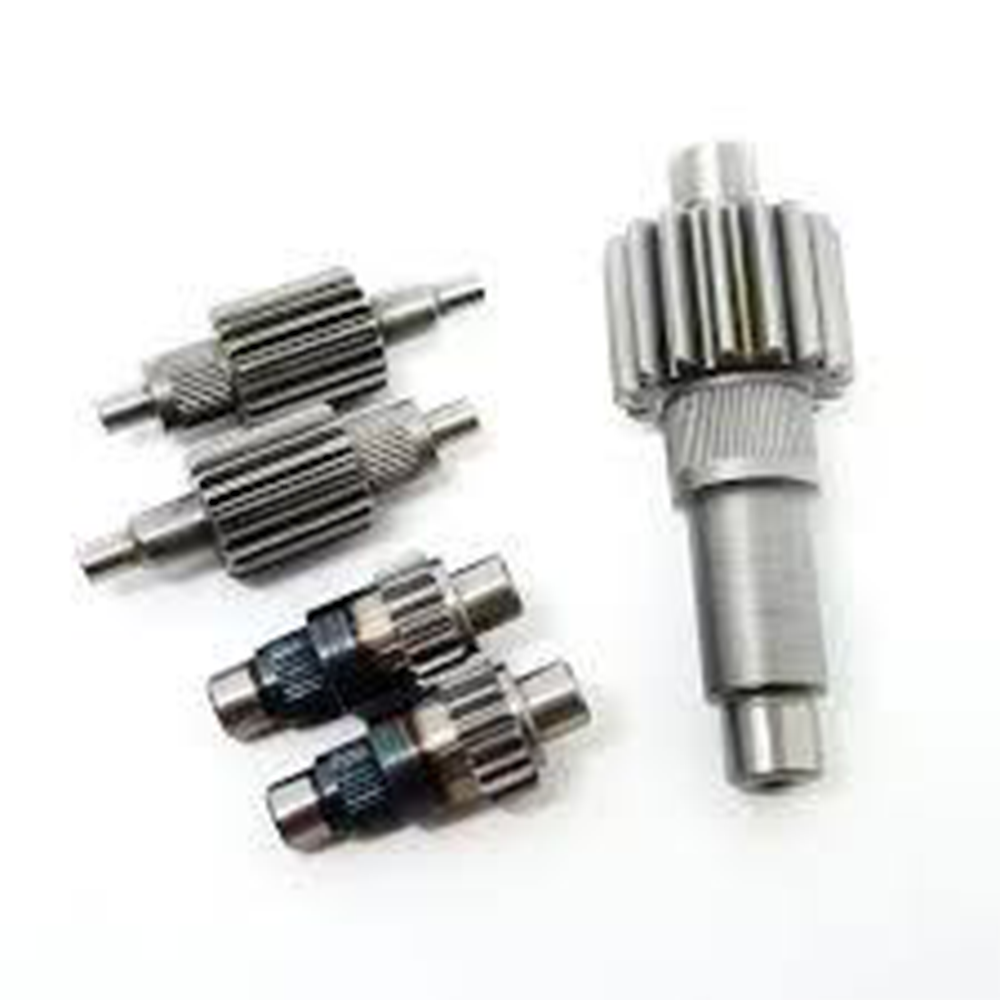
Drive system components (motor brackets, gear reducers)
Base supports and transmission structures
Technical Requirements
High strength to withstand heavy loads and continuous operation
High precision to ensure accurate multi-axis movement
Wear resistance for long-term durability under frequent motion
2. Collaborative Robots (Cobots) – Flexibility and Safety
Collaborative robots operate alongside human workers, requiring high levels of flexibility, safety, and efficiency.
XY provides customized components such as lightweight structural parts, precision joints, and transmission modules, enabling cobots to perform high-frequency precision operations safely and efficiently.
Key Components
Lightweight robotic arms (typically aluminum alloy structures)
Robot joint modules with high fatigue resistance
Control system structural components
Technical Requirements
High flexibility for human-robot collaboration
Low energy consumption for efficient operation
High safety standards for shared workspaces
3. Medical Robots – Precision and Biocompatibility
Medical robotics applications are expanding rapidly in surgery, rehabilitation, and healthcare assistance.
Components used in these systems must meet strict requirements for precision, reliability, fatigue resistance, and biocompatibility.
XY provides precision metal components such as robotic surgical arms, transmission components, and joint modules, enabling stable operation in high-precision medical environments.
Key Components
Robotic surgical arms
Structural components for medical robot control systems
Sensor housings and control panel brackets
Technical Requirements
Biocompatible materials for medical environments
Micron-level precision for surgical accuracy
Long-term reliability for critical medical applications
4. Service Robots – Efficiency and Versatility
Service robots are widely used in cleaning, logistics, hospitality, smart homes, and commercial environments.
To operate effectively in these diverse environments, components must combine lightweight design, flexibility, and durability.
XY manufactures custom components such as robot housings, structural frames, and sensor brackets for service robot platforms.
Key Components
Structural housings and support frames
Transmission systems including gears, shafts, and bearings
Technical Requirements
High operational flexibility
Energy efficiency
Durability for long-term operation
Materials for Robotics Components
Robotic components require materials that balance strength, weight reduction, corrosion resistance, and durability.
Aluminum Alloys
Applications: robotic frames, housings, lightweight structural components
Advantages: lightweight, corrosion resistance, excellent machinability
Titanium Alloys
Applications: medical robotics and high-strength components
Advantages: high strength-to-weight ratio, corrosion resistance, biocompatibility
Stainless Steel
Applications: high-load structural components in industrial robots
Advantages: high strength, durability, corrosion resistance
Magnesium Alloys
Applications: lightweight components for service robots and collaborative robots
Advantages: extremely lightweight with good structural strength
Manufacturing Capabilities for Robotics
XY utilizes a range of advanced manufacturing technologies to ensure high precision and reliable production quality.
CNC Machining
Used for manufacturing robot joints, drive shafts, brackets, and structural components.
CNC machining ensures tight tolerances and precise geometric accuracy.
Laser Cutting & Welding
Laser cutting enables the production of high-precision housings, brackets, and structural parts, while welding technologies ensure strong and stable component connections.
3D Printing
Used for complex internal structures and rapid prototyping, helping reduce development time and cost during early design stages.
5-Axis CNC Machining
Suitable for complex structural parts and high-precision components, enabling micron-level accuracy.
Welding & Riveting
Processes such as laser welding and TIG welding ensure strong connections for components operating under high loads and vibration conditions.
Surface Treatments
Anodizing: Enhances corrosion resistance and surface hardness, mainly for aluminum airframes and brackets
Electroplating & Coating: Improves wear and UV resistance for enclosures, connectors, and structural parts
Hard Coatings: For critical transmission parts and gears, increasing wear resistance and fatigue and life.