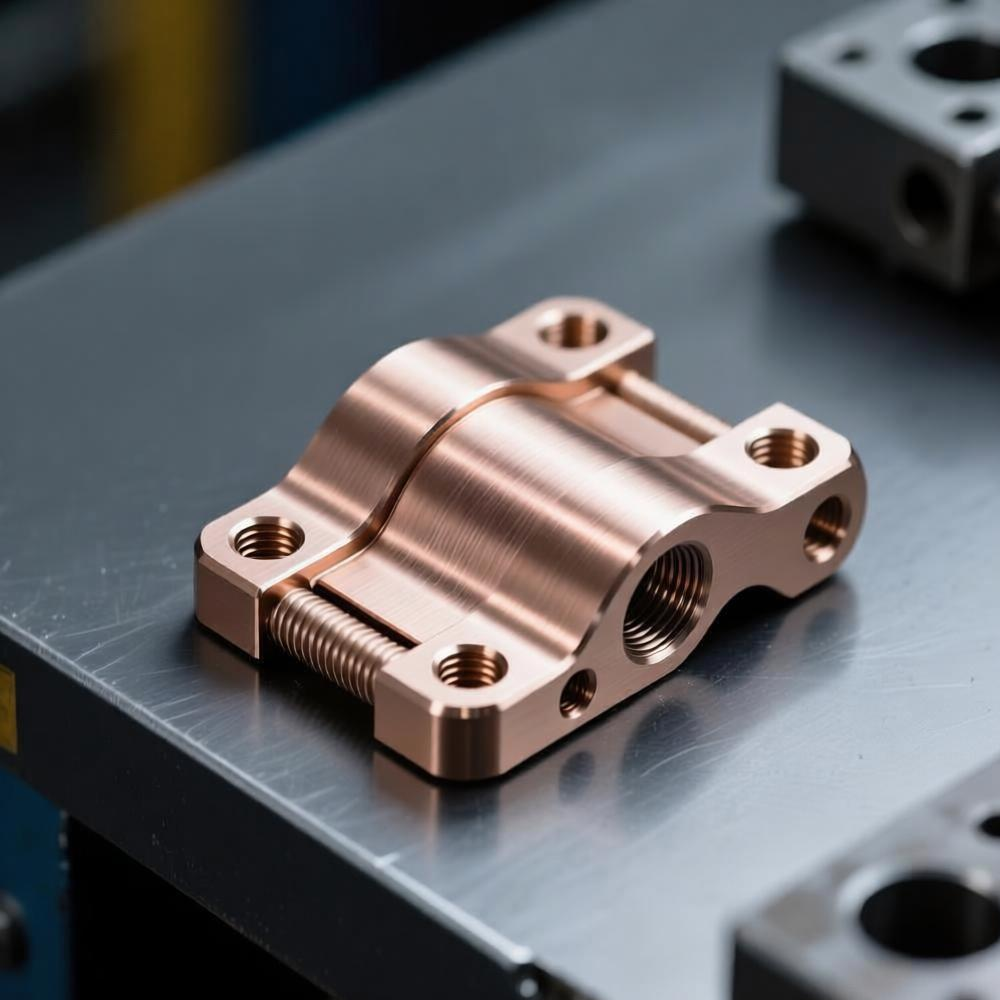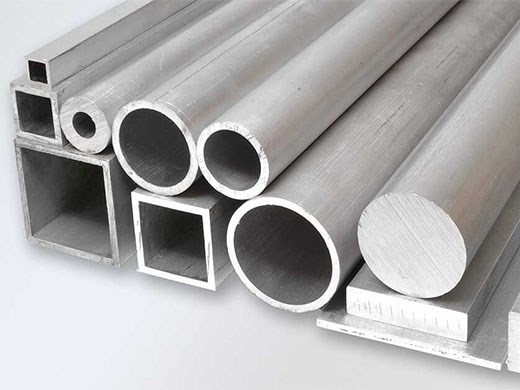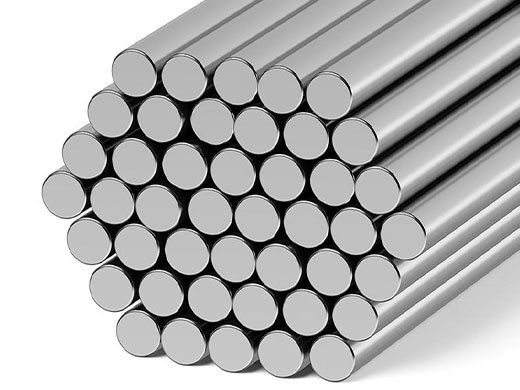
titanium alloy
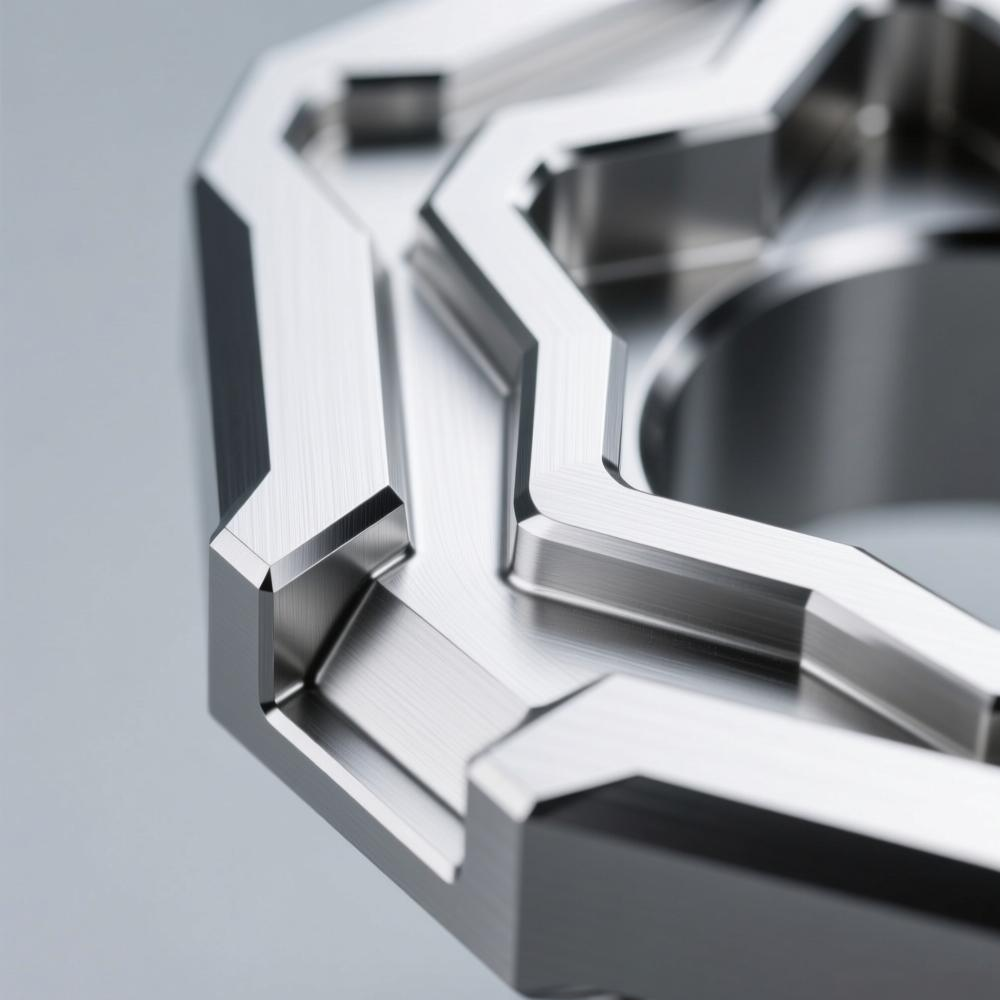
XY – Leading Manufacturer of Custom Titanium Alloy Components
Since its establishment in 2001, XY has been dedicated to providing high-precision, high-performance custom titanium alloy components to clients worldwide. Titanium alloys are widely recognized for their exceptional strength-to-weight ratio, superior corrosion resistance, high-temperature performance, and lightweight properties, making them an essential material in many high-demand industries.
As a professional manufacturer of custom titanium alloy components, XY offers a complete end-to-end solution, including material selection, component design, precision machining, surface treatment, and quality inspection. Our integrated manufacturing approach ensures that every titanium alloy part meets strict requirements for performance, precision, and reliability.
Titanium alloys are often regarded as one of the most important strategic materials in modern advanced manufacturing. Thanks to their outstanding mechanical strength, lightweight characteristics, corrosion resistance, and thermal stability, titanium components significantly outperform many traditional materials such as standard steels or aluminum alloys in demanding environments.
At XY, our titanium alloy components are widely used in industries including aerospace, automotive manufacturing, medical devices, robotics, electronic equipment, marine engineering, and energy systems. With their high strength, corrosion resistance, and lightweight performance, titanium alloys have become an indispensable material for advanced industrial applications.
Our expertise in titanium alloy processing allows us to deliver high-precision, durable, and performance-optimized custom components, helping global clients improve product performance, reliability, and efficiency.
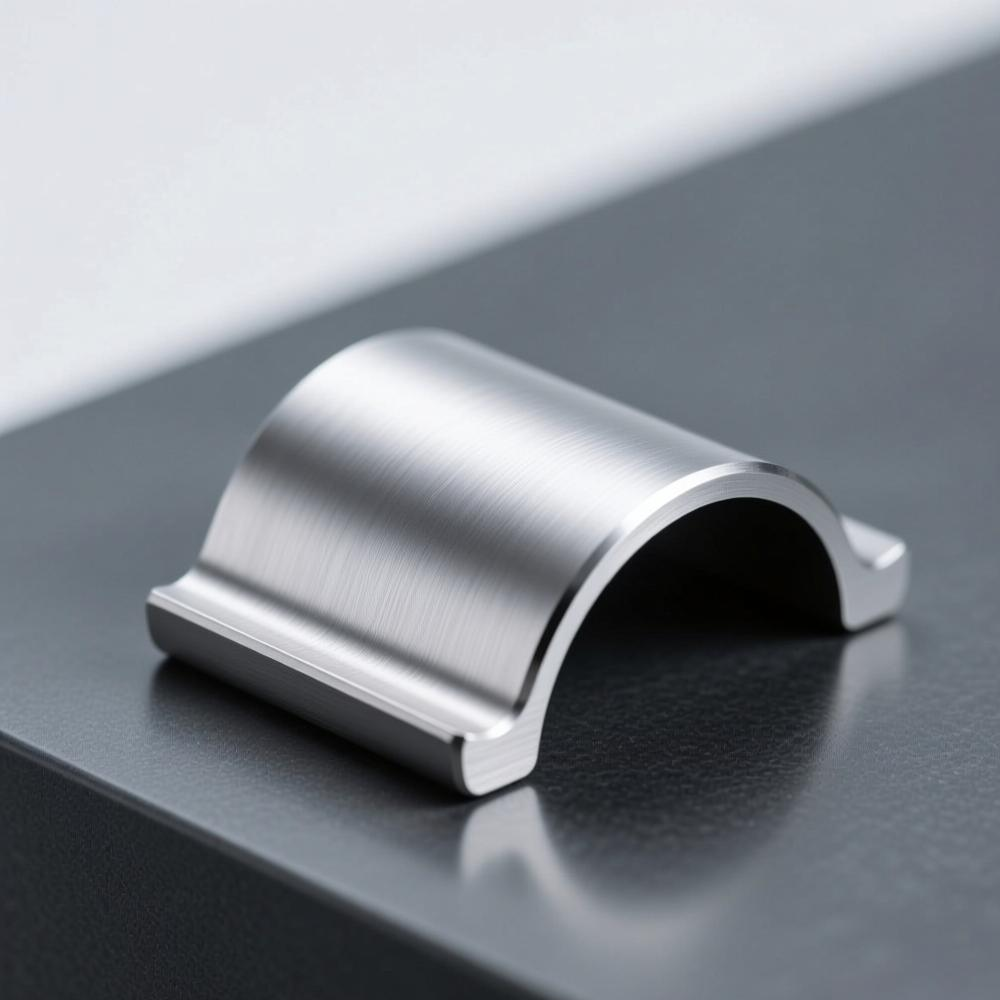
Titanium Alloy Custom Components
Titanium Alloy Applications Across Industries
Titanium alloys are widely used across high-demand industries due to their high strength, low density, corrosion resistance, and excellent high-temperature performance. XY provides custom titanium alloy components to ensure stability, reliability, and high performance under demanding operating conditions.
1. Aerospace
Titanium's exceptional strength-to-weight ratio and high-temperature resistance make it indispensable in aerospace applications, including aircraft structures, engine components, and spacecraft frameworks.
Typical Components: Aircraft fuselage, engine mounts, cabin structures, radar modules
Technical Requirements:High-temperature resistance, corrosion resistance, high precision; suitable for high-pressure, low-temperature, and high-frequency operational environments
2. Automotive Manufacturing
Titanium alloys are increasingly used in automotive applications, particularly in engine components, chassis, and suspension systems, helping reduce vehicle weight while enhancing fuel efficiency and performance.
Typical Components: Engine components, electrical system parts, exhaust systems, wheel hubs
Technical Requirements: High strength, corrosion resistance, and high-temperature tolerance for heavy-load automotive environments
3. Medical Devices
Titanium alloys are highly biocompatible, making them ideal for medical implants, surgical tools, and sensor supports. XY’s titanium components meet strict medical standards.
Typical Components: Joint prostheses, dental implants, medical sensor housings, surgical instruments
Technical Requirements: Biocompatibility, corrosion resistance, ensuring patient safety and device stability
4. Robotics & Automation
Titanium's lightweight yet high-strength properties make it suitable for robotic joints, mechanical arms, structural supports, and enclosures, ensuring durability and precision in high-load and high-frequency environments.
Typical Components: Robotic joints,mechanical arms, brackets, enclosures
Technical Requirements: High precision, wear resistance, load-bearing capacity, and stability under frequent operation
5. Energy & Environmental Equipment
Titanium's resistance to heat and corrosion makes it ideal for energy and environmental applications, including solar, wind, and nuclear power equipment.
Typical Components: Solar PV mounts, wind turbine parts, nuclear energy equipment housings
Technical Requirements: High temperature and corrosion resistance for long-term outdoor use
Titanium Alloy Types
Titanium alloys are categorized based on chemical composition and microstructure to meet specific performance requirements:
Alpha Alloys (α)
Features: Predominantly α-phase elements; excellent corrosion resistance and weldability
Applications: Corrosion-resistant parts, small structural components
Beta Alloys (β)
Features: High β-phase content; can be heat-treated for higher strength and ductility
Applications: Complex high-strength components, industrial equipment parts
Alpha-Beta Alloys (α+β)
Features: Combines α-phase corrosion resistance with β-phase high strength; most commonly used
Applications: Aerospace,automotive, high-strength structural components
Representative Alloys & Grades:
Ti-6Al-4V (ASTM Grade 5 / TC4):High strength, lightweight, corrosion-resistant; widely used in aerospace and medical applications
Medical Grade Ti-6Al-4V ELI (Grade 23): Optimized for bio-medical use; implants and surgical instruments
Pure Titanium (Grade 1-4):Excellent corrosion resistance; used in chemical, marine, and energy applications
Titanium's superior properties also make it challenging to machine, requiring advanced processes:
CNC Machining – Precision milling,turning, and drilling for brackets, supports, and structural components with specialized tooling and cooling
High-Speed Milling & Cutting – For complex geometries in aerospace and industrial components
Laser / Waterjet Cutting – High-precision cutting of thin sheets or intricate profiles
Heat Treatment & Forging – Optimizes microstructure for strength, toughness, and fatigue life
Precision Additive Manufacturing (3D Printing) – For complex, lightweight, or prototype components
Surface treatments enhance mechanical properties, corrosion resistance, and wear resistance, critical in demanding applications:
Ion Implantation & Electroless Plating – Improves surface hardness and wear resistance
Plasma Spraying / CVD & PVD Coatings – Provides functional coatings for enhanced oxidation and wear resistance
Laser Surface Modification – Creates wear-resistant surface layers to extend component life
Micro-Arc Oxidation / Anodizing – Forms a dense oxide film, enhancing corrosion resistance and surface protection