sandblasting
Sandblasting Technology – Surface Treatment Solutions
Overview of Sandblasting Technology
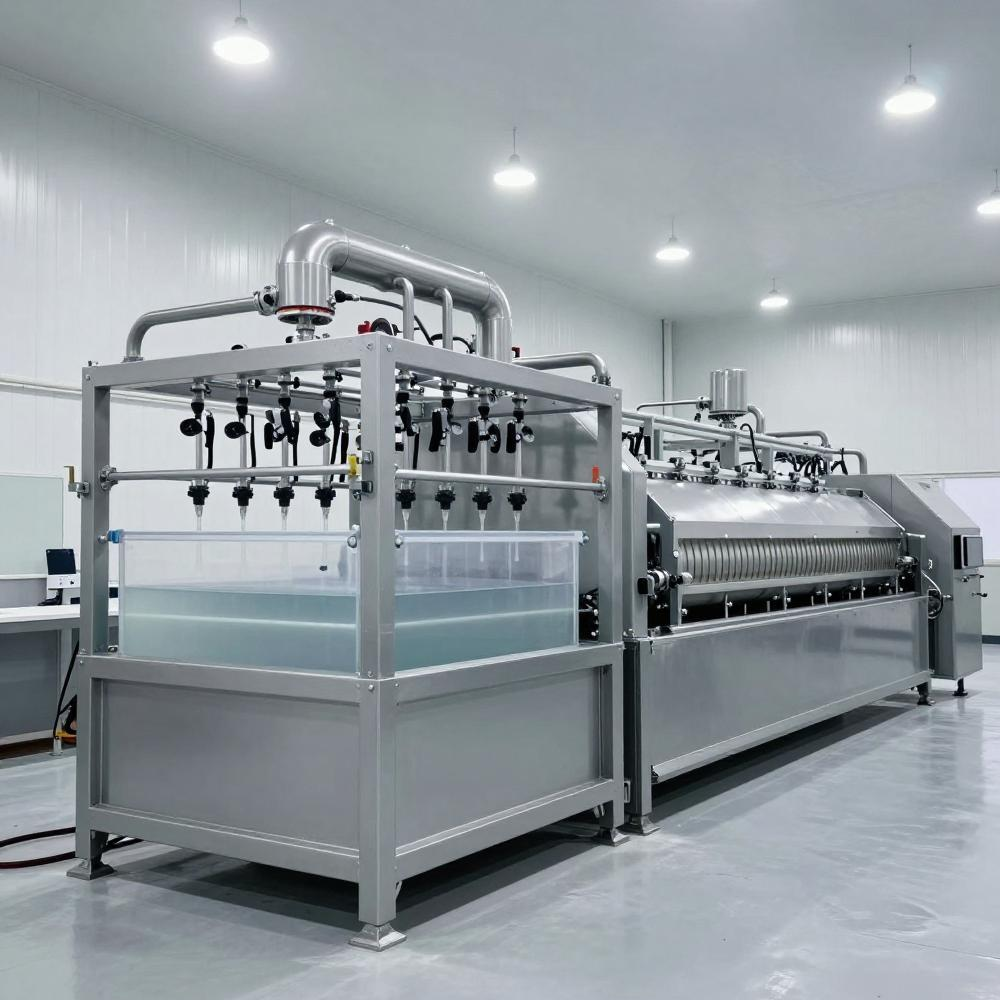
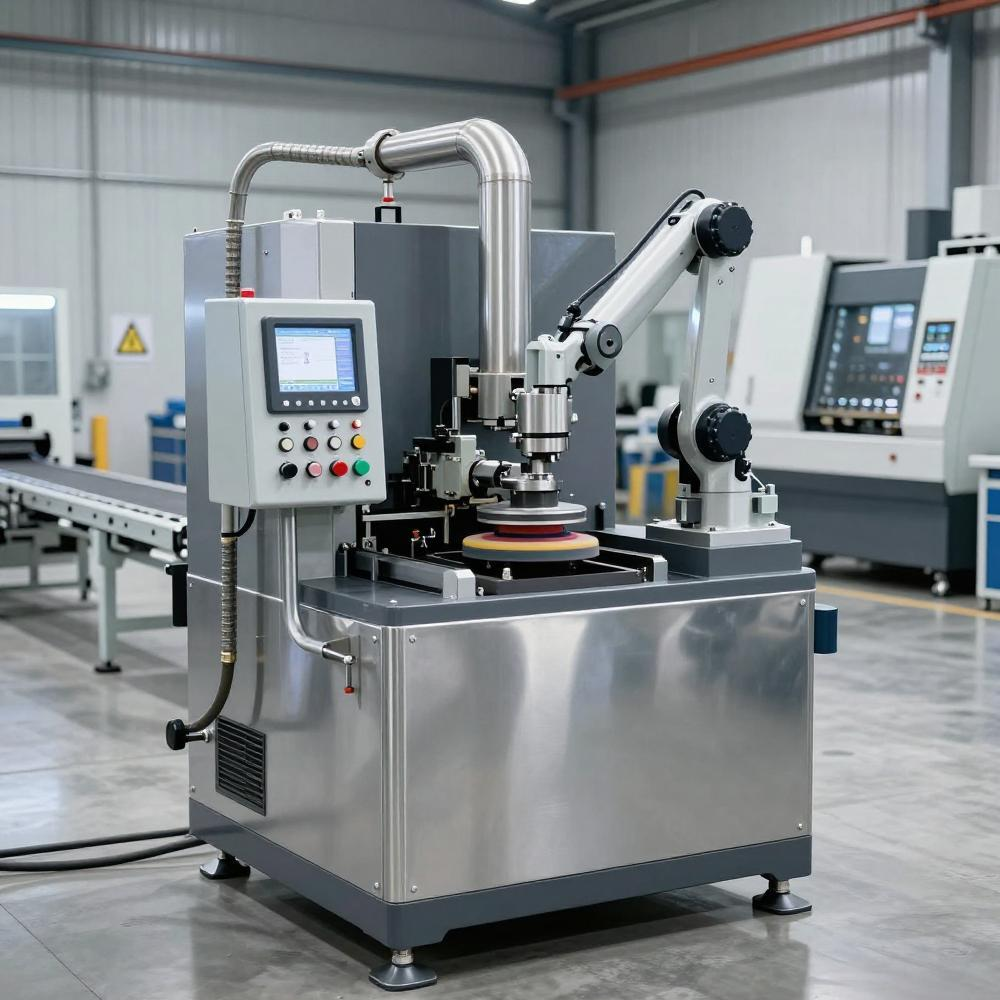
Sandblasting is a widely used surface treatment process for metal components, applied for cleaning, surface roughening, oxide layer removal, and surface strengthening. The process works by propelling abrasive particles at high speed onto the component’s surface. The impact removes impurities, burrs, rust, and scale while also increasing surface roughness to improve adhesion for subsequent coatings.
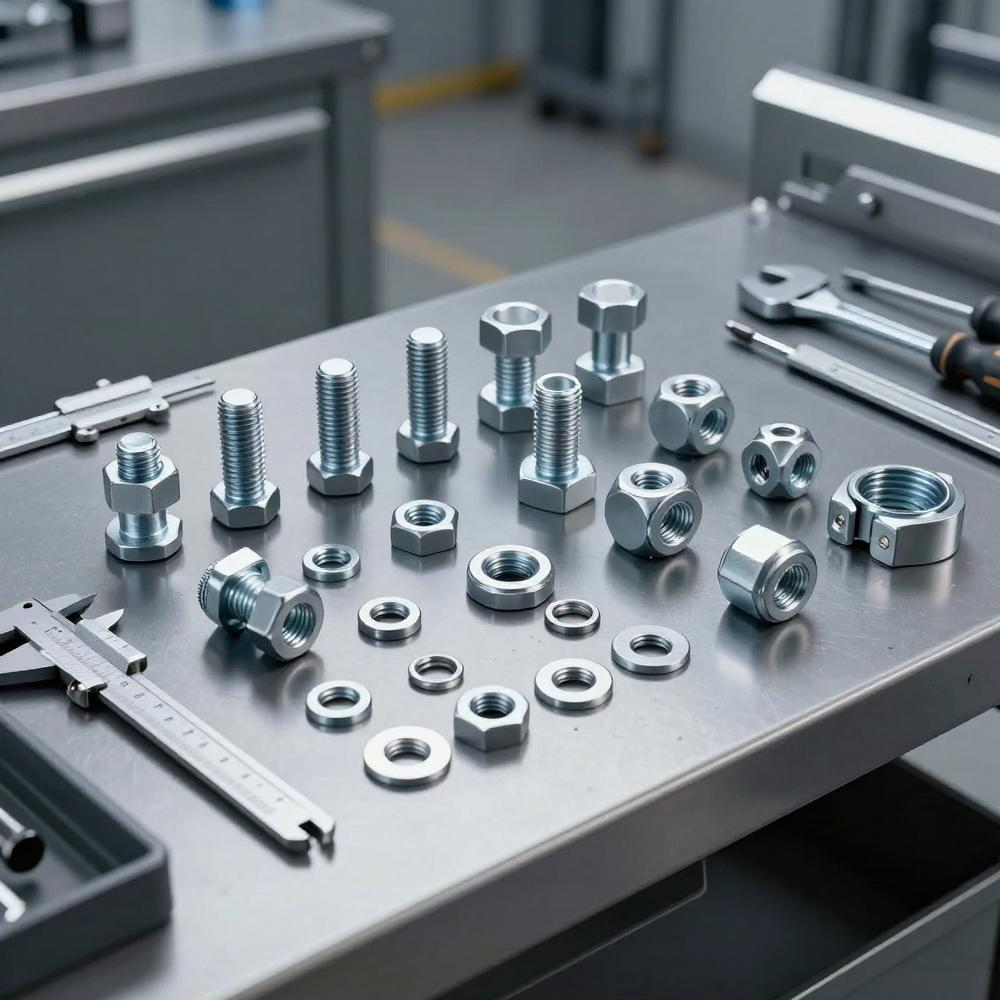
At Nanpi Xingye, sandblasting is a fundamental finishing process in the production of custom metal components. It is suitable for a wide range of metal materials, including stamped parts, aluminum alloy components, steel, and sheet metal, ensuring a high-quality, uniform surface finish that supports downstream treatments such as painting, powder coating, or anodizing.
Why Choose Nanpi Xingye for Sandblasting Services?
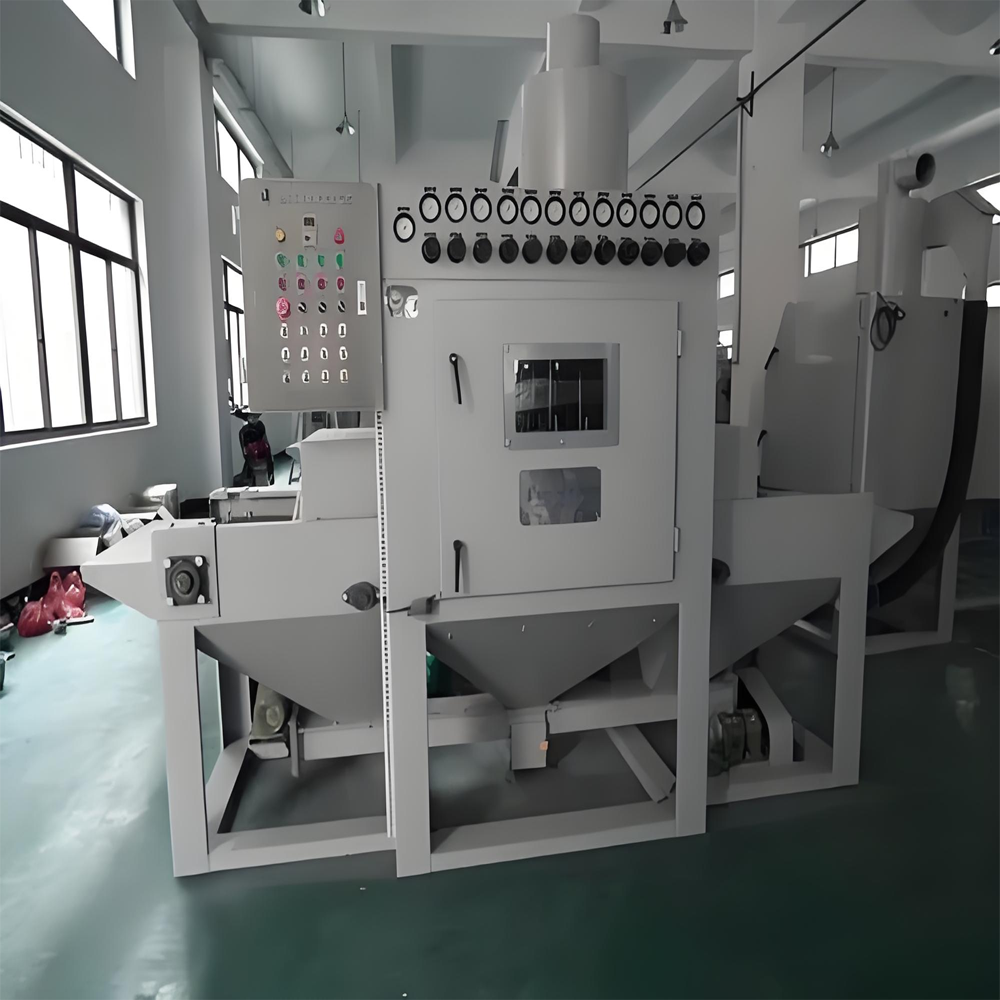
Advanced Equipment & Technology: Our modern sandblasting systems ensure consistent, precise surface treatment for every component.
Wide Material Compatibility: Customized sandblasting solutions are available for steel, stainless steel, aluminum alloys, copper alloys, and other metals.
High-Volume Production Capability: We provide fast, large-scale sandblasting services, guaranteeing stable surface quality in mass production.
Eco-Friendly & Efficient: Process parameters are strictly controlled to minimize abrasive and chemical consumption while maintaining efficient production cycles that meet environmental standards.
Applications
Sandblasting is essential across multiple industries, improving the durability, adhesion, and visual quality of metal components. It is particularly useful for:
Automotive and transportation components
Industrial machinery and structural parts
Aluminum and sheet metal assemblies
Electronic enclosures and precision equipment
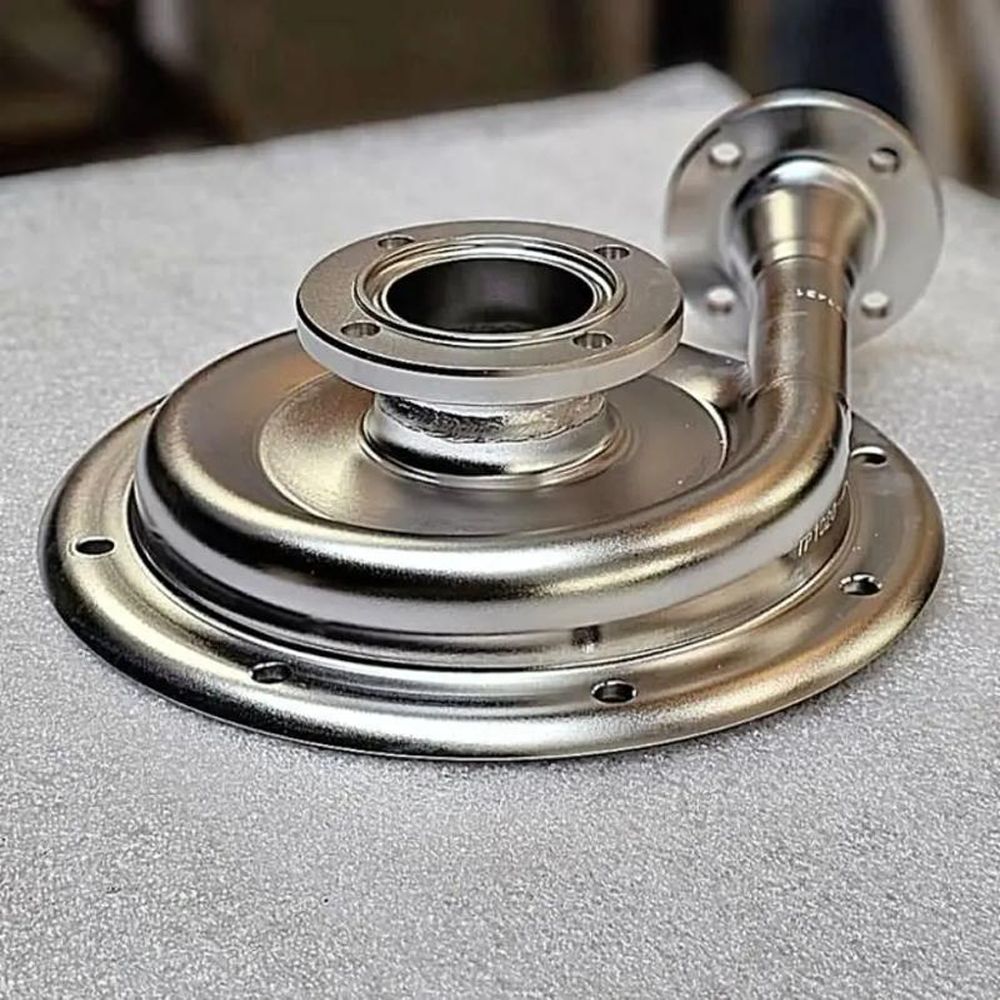
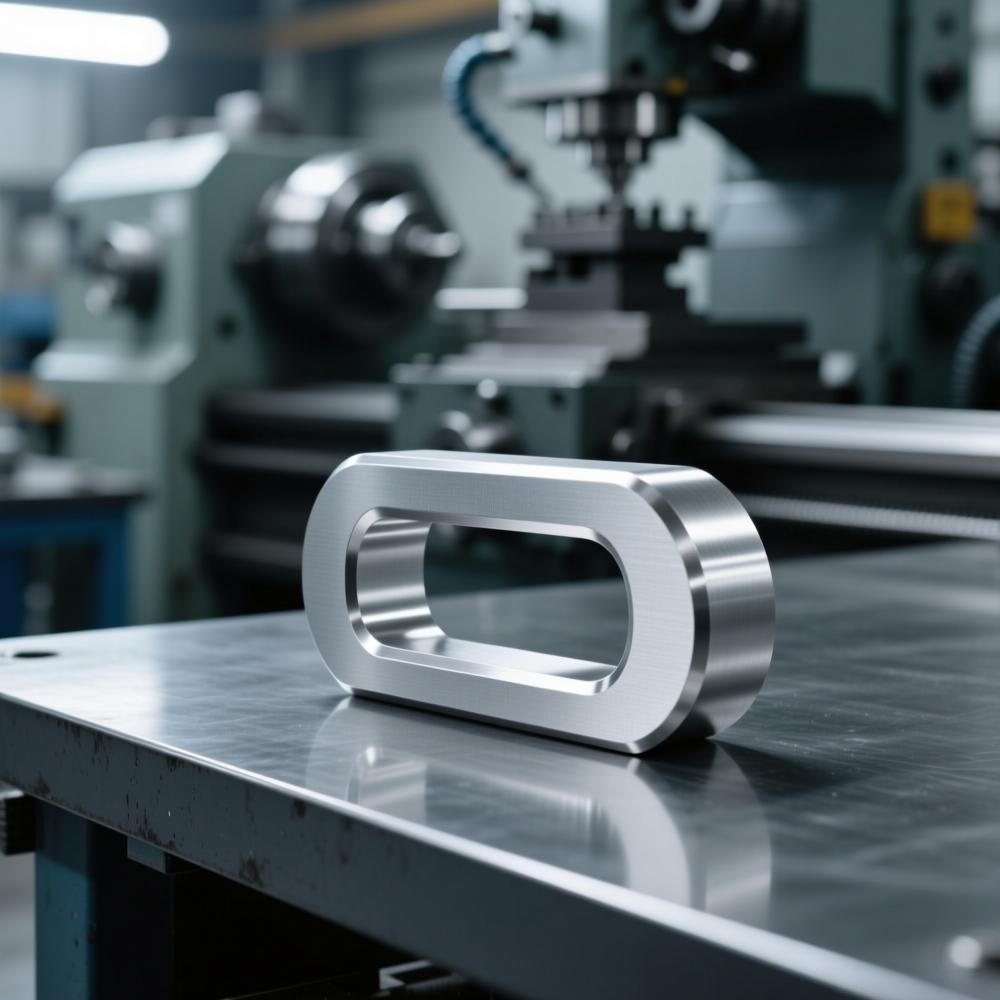
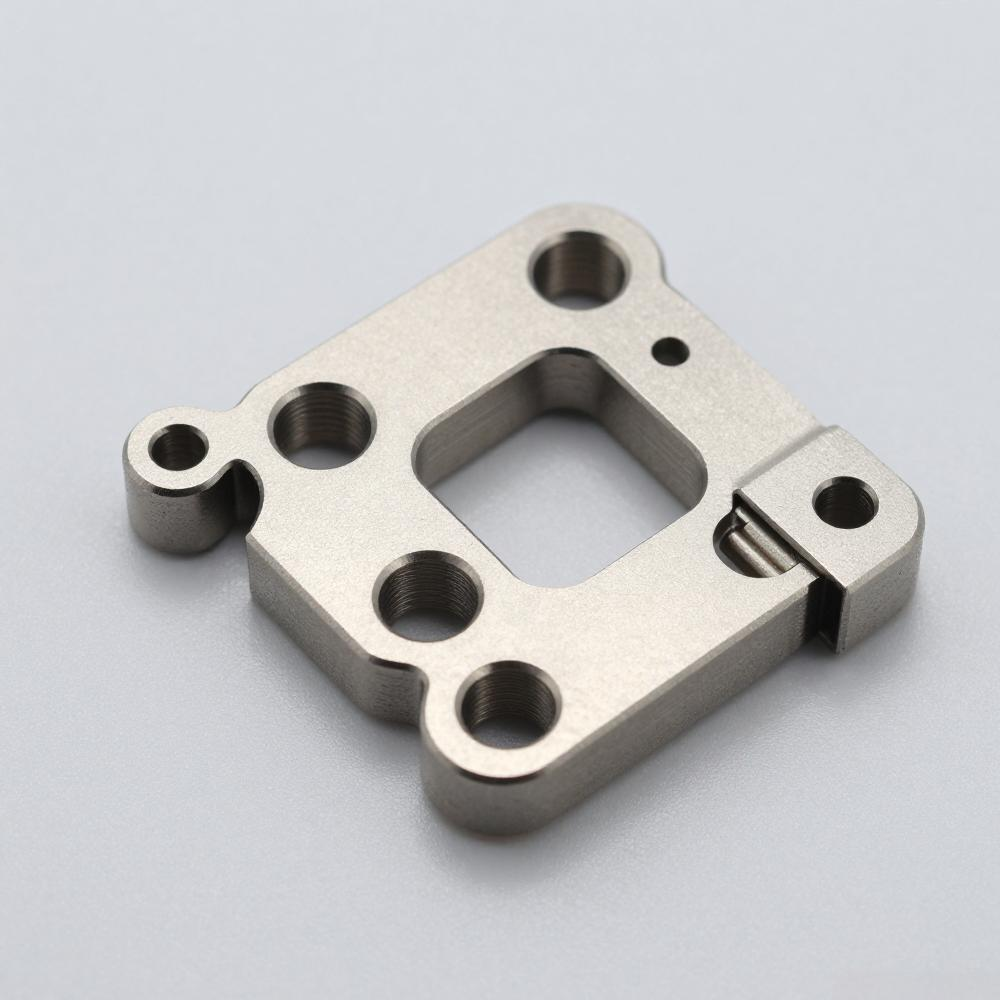
Sandblasting Applications – Typical Products and Industrial Uses
Automotive and Transportation
Typical Components:
Vehicle body frames, exterior trim, engine components
Precision brackets, wheels, and other metal parts
Application Benefits:
Removes surface dirt, oxidation, and residues
Increases surface roughness to enhance adhesion for subsequent coatings or painting
Improves surface appearance and eliminates defects
Machinery and Tool Manufacturing
Typical Components:
Molds, cutting tools, mechanical bearings
Transmission components, support brackets, and structural parts
Application Benefits:
Enhances surface cleanliness to improve equipment performance
Adjusted surface roughness improves wear-in and coating adhesion
Cleans residual oxides and adherent material from prior processes
Precision Electronics
Typical Components:
Metal housings, electronic connectors, mounting brackets
Protective covers, circuit board components
Application Benefits:
Improves surface finish for superior adhesion in subsequent painting, powder coating, or welding
Provides uniform surface texture for functional electronic parts
Construction and Decorative Applications
Typical Components:
Decorative trims, metal furniture parts, architectural metal components
Metal sculptures and exterior architectural details
Application Benefits:
Enhances surface resistance to dirt and facilitates cleaning
Improves tactile and visual surface quality
Ensures consistent texture for high-end construction and furniture applications
Materials
Common Materials for Sandblasting:
Stainless Steel: Used for stamped parts, machinery components,and structural elements
Aluminum & Aluminum Alloys: Widely used in automotive, aerospace, and household appliances
Copper & Copper Alloys: For electronic components and contact parts
Carbon Steel & Alloy Steel: Structural components, machinery, and industrial frames
Titanium Alloys: High-end precision components
Engineering Note: Abrasive type and process parameters are selected based on material type to achieve optimal surface treatment results.
Typical Sandblasting Process Steps
Abrasive Selection: Choose suitable abrasive particles according to material type and surface requirements.Common abrasives include steel grit, steel shot, sand, ceramic beads,glass beads, and bauxite.
Machine Setup: Configure air pressure, nozzle diameter, spray angle, and exposure time based on process requirements.
Blasting Operation: Propel abrasive particles at high velocity to the workpiece surface, removing defects,oxidation, and residues while achieving desired surface cleanliness or roughness.
Surface Inspection and Cleaning:After blasting, inspect for residual flaws, contaminants, or missed areas,then clean the surface to prepare for subsequent processing.
Common Sandblasting Techniques
Dry Sandblasting: Direct use of dry abrasives; suitable for surface cleaning, roughening, and deburring on most metals.
Wet Sandblasting: Abrasives mixed with water or other liquids; reduces heat buildup and surface contamination,ideal for delicate or heat-sensitive materials.
Glass Bead Blasting: Provides fine,uniform finishes for precision parts, often used before decorative coatings.
Steel Grit Sandblasting: Removes oxides, rust, welding residues; suitable for steel and alloy surfaces.
Ceramic Abrasive Blasting: Ensures uniform roughness for precision metal parts, widely used in electronics and delicate components.