polishing-electropolishing
Polishing & Electropolishing for Custom Metal Components – XY
In the manufacturing of custom metal components, surface smoothness, cleanliness, and microscopic consistency directly affect the reliability, performance, and service life of the parts.
With years of experience in precision metal manufacturing, XY integrates mechanical polishing and electropolishing as key surface finishing processes, widely applied to metal components requiring high-quality surface conditions.
Polishing and electropolishing are not only used to improve appearance but also to:
Reduce surface roughness
Remove machining marks
Eliminate micro-burrs
Minimize stress concentration points
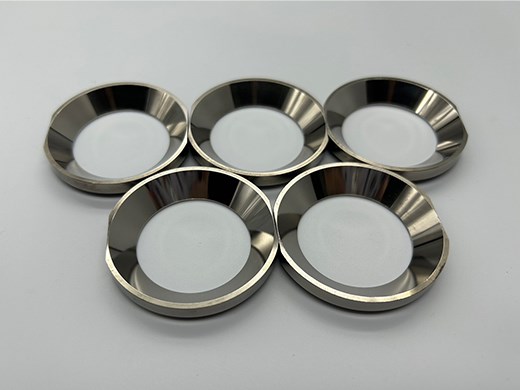
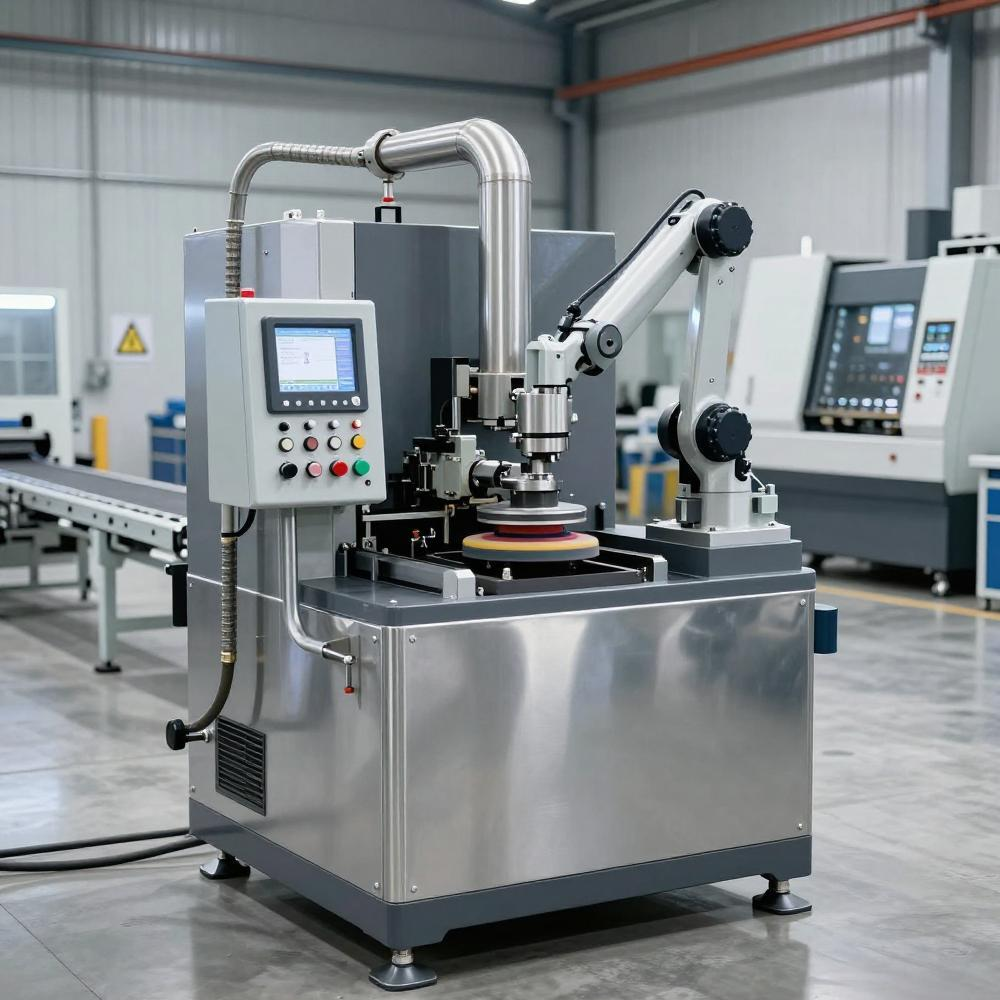
Mechanical polishing is typically suitable for improving appearance and performing localized surface finishing.
Electropolishing, on the other hand, removes material uniformly at the microscopic level through an electrochemical process, without altering the part's geometry. It also provides surface passivation, making it an essential finishing method in high-end manufacturing industries.
XY selects polishing or electropolishing processes based on material characteristics, operating environment, and industry standards, while coordinating these processes with stamping, CNC machining, welding, and other manufacturing operations. This integrated approach ensures stable and consistent surface quality in mass production.
Manufacturing Advantages of XY Polishing & Electropolishing
Integrated planning with CNC machining, stamping, and welding processes
Ability to reserve polishing allowance during product design
Suitable for large-scale production with stable surface consistency
Surface quality control based on industry-specific standards
In custom metal component manufacturing, polishing and electropolishing are not merely cosmetic processes. They are critical manufacturing steps that directly influence part performance, durability, and reliability.
Through years of experience serving industries such as automotive, medical devices, electronics, and automation equipment, XY incorporates polishing and electropolishing into the overall process planning rather than treating them as simple post-processing operations.
Process Selection Based on Application Requirements
XY determines the appropriate finishing process based on several critical factors:
Whether the surface is a functional contact surface, sealing surface, or sliding surface
Whether the component requires human contact safety or hygienic cleanliness
Whether the part will undergo subsequent plating, coating,or welding processes
Whether there are risks related to corrosion, fatigue, or micro-cracking
This systematic approach enables XY to achieve highly consistent surface quality in batch production of custom metal components.
Why Choose XY Polishing & Electropolishing Services
Customized Solutions
Surface finishing processes are tailored according to the functional requirements and performance specifications of each product.
Extensive Industry Experience
XY provides surface finishing solutions for industries including automotive, medical, aerospace, industrial equipment, and automation systems.
Efficient Production and Delivery
Our advanced equipment and optimized processes allow us to deliver high-quality polishing and electropolishing services with short lead times.
Environmentally Responsible Manufacturing
We adopt environmentally friendly materials and advanced technologies to reduce environmental impact during production.
Through XY’s polishing and electropolishing services, customers benefit from high-quality metal surface finishing, improved component performance, consistent appearance, and long-term reliability.
Whether for mass production or custom projects, XY provides precise process control to ensure every component meets international quality standards and specific customer requirements.
Applications of Polishing & Electropolishing
Automotive & New Energy Industries (Structural and Functional Balance)
Typical Components
Metal brackets and mounting bases
Sensor housings
Battery system connectors
Exhaust system metal components
Why Polishing / Electropolishing Is Required
Remove machining marks, weld slag, and burrs generated during stamping, welding, and CNC machining
Reduce assembly stress concentration and prevent fatigue cracking
Provide a stable adhesion base for subsequent E-coating,painting, or electroplating
XY Process Approach
Stamped parts → Vibratory polishing + localized precision polishing
Welded components → Manual touch-up polishing + electropolishing
Mass production parts → Unified surface roughness control (consistent Ra range)
Medical Devices & Precision Equipment (Cleanliness Priority)
Typical Components
Metal parts for surgical instruments
Structural components for medical equipment
Precision support parts and fixation fixtures
Key Requirements
Burr-free surfaces with no sharp edges
Reduced bacterial adhesion risk
Chemically stable surfaces resistant to sterilization
Why Electropolishing
Removes microscopic surface grooves
Forms a dense and stable passive layer
Significantly superior to mechanical polishing alone
XY Experience
Medical-grade stainless steel components
Mechanical pre-polishing → Electropolishing → Passivation
Ensures smooth surfaces without excessive material removal
Electronics, Communication & Precision Structural Components
Typical Components
Metal housings
Shielding enclosures
Precision mounting brackets
The Real Function of Polishing
Control surface flatness to ensure assembly precision
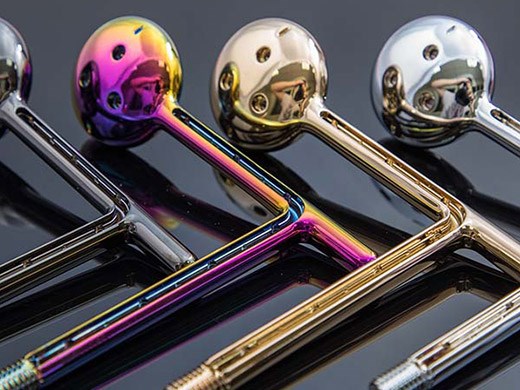
Improve consistency for subsequent anodizing,electroplating, or PVD coating
Prevent coating failure caused by surface defects
XY Process Control
Polishing only refines the surface without affecting dimensional tolerances
Strict dimensional allowance control before electropolishing
Aerospace Industry
Typical Applications
Aircraft engine components
Airframe structures
Cabin and structural connectors
Technical Requirements
High fatigue resistance and high-temperature stability
Microcrack-free surfaces to minimize stress concentration
Why Electropolishing
Electropolishing improves the fatigue resistance and corrosion resistance of metal surfaces, making it particularly suitable for aerospace components exposed to extreme environments.
Precision Electronics & Communication Industry
Typical Applications
Housings
Connectors
Brackets
PCB mounting components
Technical Requirements
High surface smoothness to prevent poor electrical contact
Surface treatment must not affect internal structure or electrical performance
Why Polishing & Electropolishing
These processes ensure smooth surfaces for precision components, improving electrical performance while reducing friction and wear.
Materials Suitable for Polishing & Electropolishing
Common Materials
Stainless steel (304 / 316 / 316L)
Aluminum and aluminum alloys
Carbon steel and alloy steel (application dependent)
Selected copper alloys (under specific conditions)
⚠ Engineering Note:
Electropolishing is more sensitive to material composition and microstructure. Stainless steel remains the most mature and widely used material for electropolishing.
Process Workflow of Polishing & Electropolishing
Mechanical Polishing Process
Coarse Grinding – Remove visible machining marks
Intermediate Grinding – Improve surface uniformity
Fine Grinding / Mirror Polishing – According to surface requirements
Cleaning & Inspection
Electropolishing Process
Pre-cleaning and Degreasing
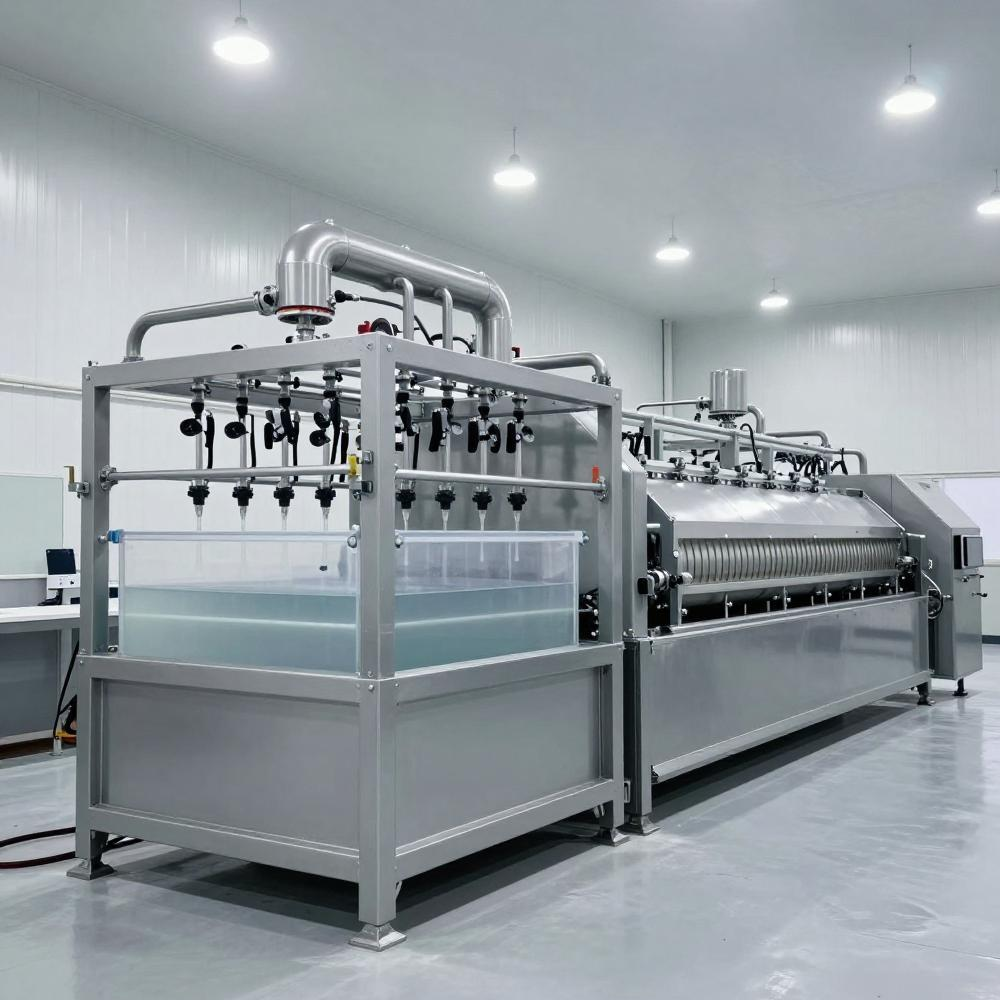
Electrolyte Treatment (Electrochemical Reaction)
Microscopic Surface Dissolution and Leveling
Water Rinse and Neutralization
Passivation and Drying
The key principle of electropolishing is preferential dissolution of microscopic surface peaks, resulting in a smoother and more uniform surface.
Types of Polishing & Electropolishing
Mechanical Polishing Types
Coarse polishing / Fine polishing
Vibratory polishing
Magnetic polishing
Mirror polishing
Electropolishing Types
Stainless steel electropolishing (most common)
High-cleanliness electropolishing
Functional electropolishing (corrosion-resistant / low roughness)
Advantages of XY Polishing & Electropolishing
Integrated planning with upstream manufacturing processes
Expertise in maintaining consistency for mass production parts
Seamless integration with electroplating, E-coating, and anodizing processes
Process selection based on functional requirements rather than aesthetics alone