Stainless steel
Stainless Steel Materials | Custom Stainless Steel Components Manufacturing Solutions
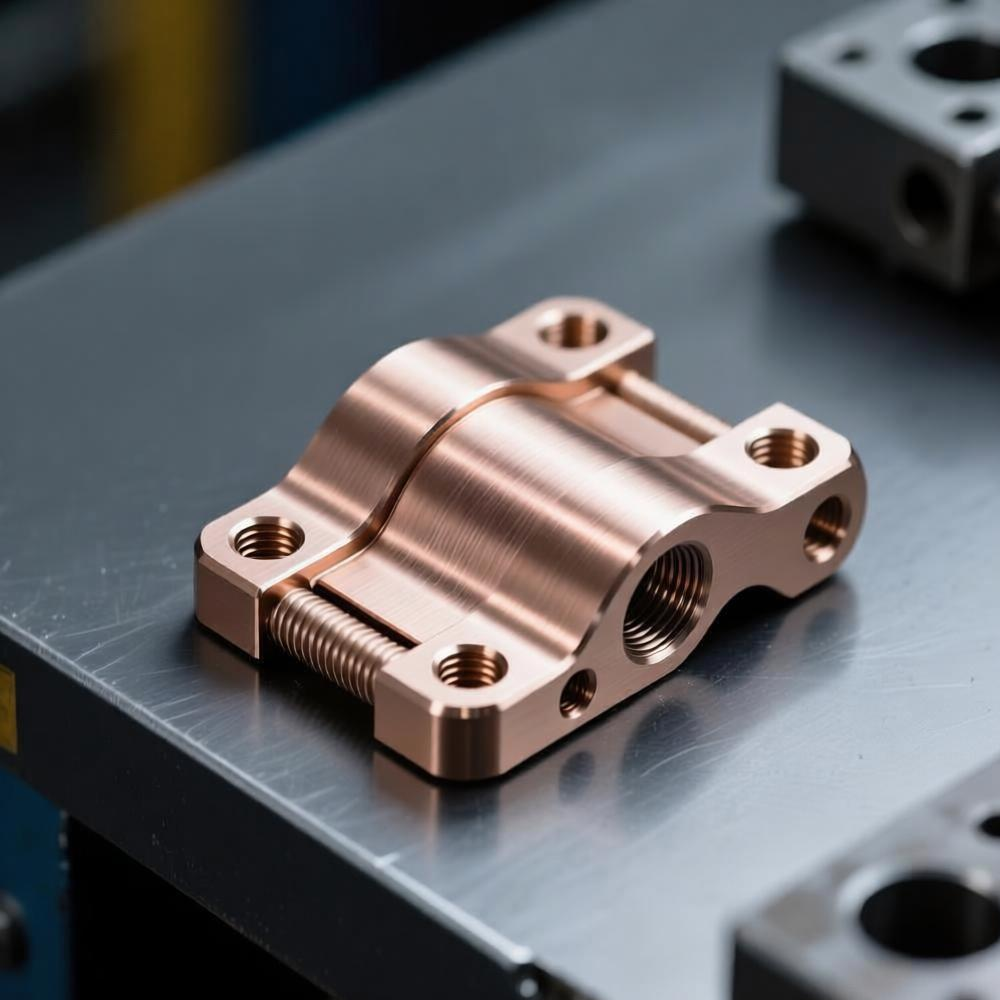
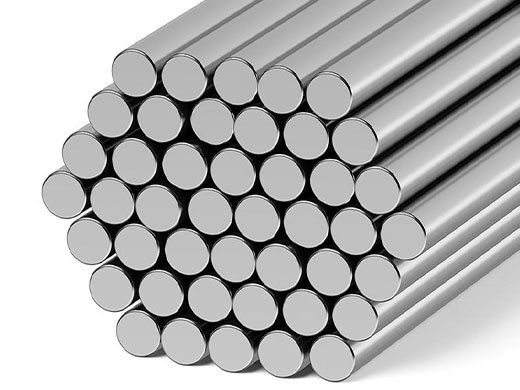
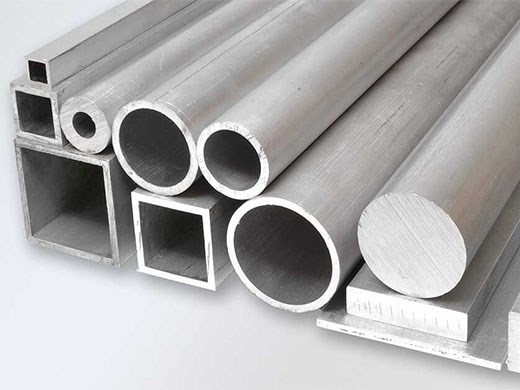
Stainless steel, with its excellent corrosion resistance, high strength, and good machinability, is widely used across multiple industries. Different stainless steel grades and their corresponding surface treatments can be selected and optimized according to the functional requirements of the components.
XY leverages extensive experience in stainless steel processing and a robust manufacturing system to provide one-stop custom solutions, covering material selection, process design, precision manufacturing, and surface finishing. Our services ensure that every stainless steel component meets the highest standards of performance, durability, and quality, tailored to the unique needs of our global customers.
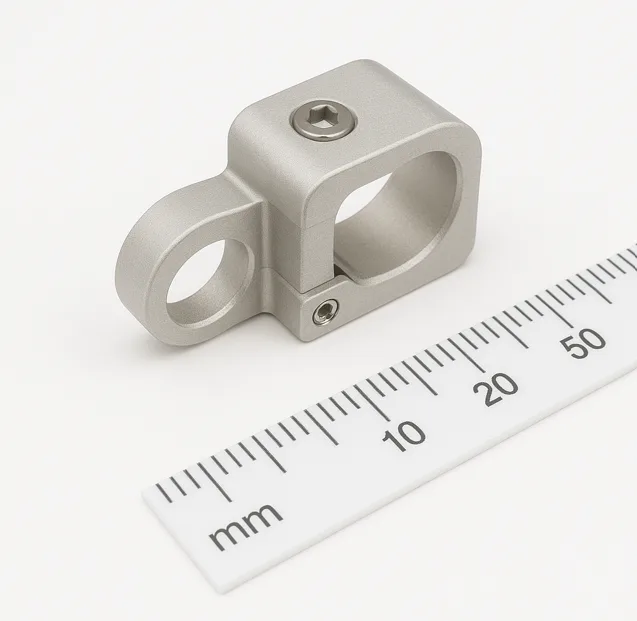
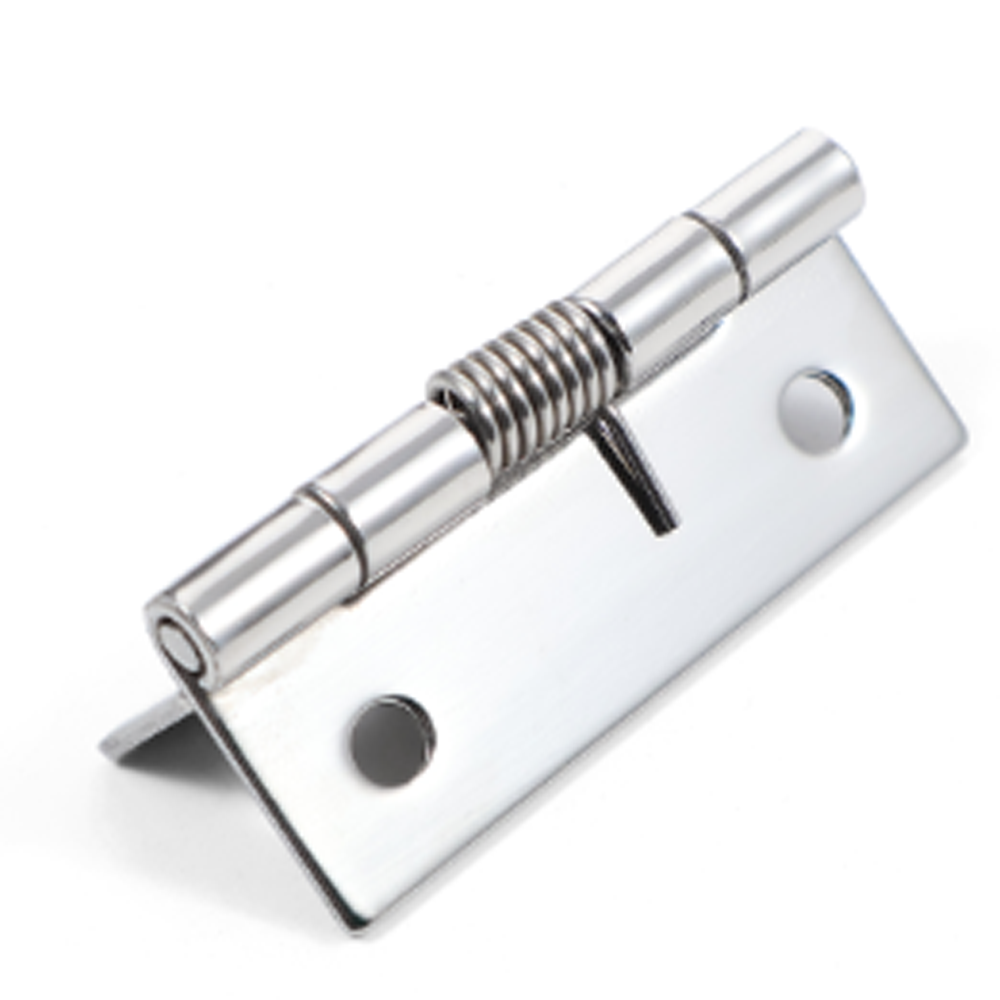
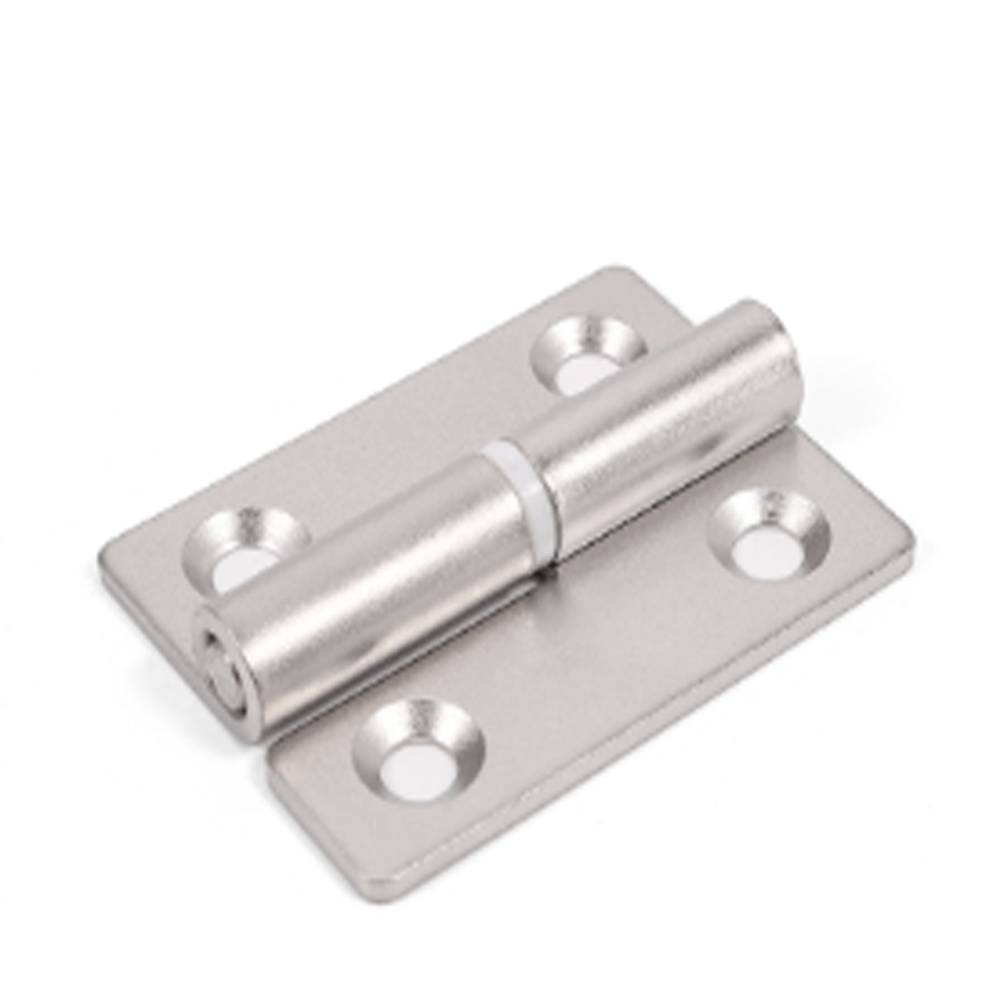
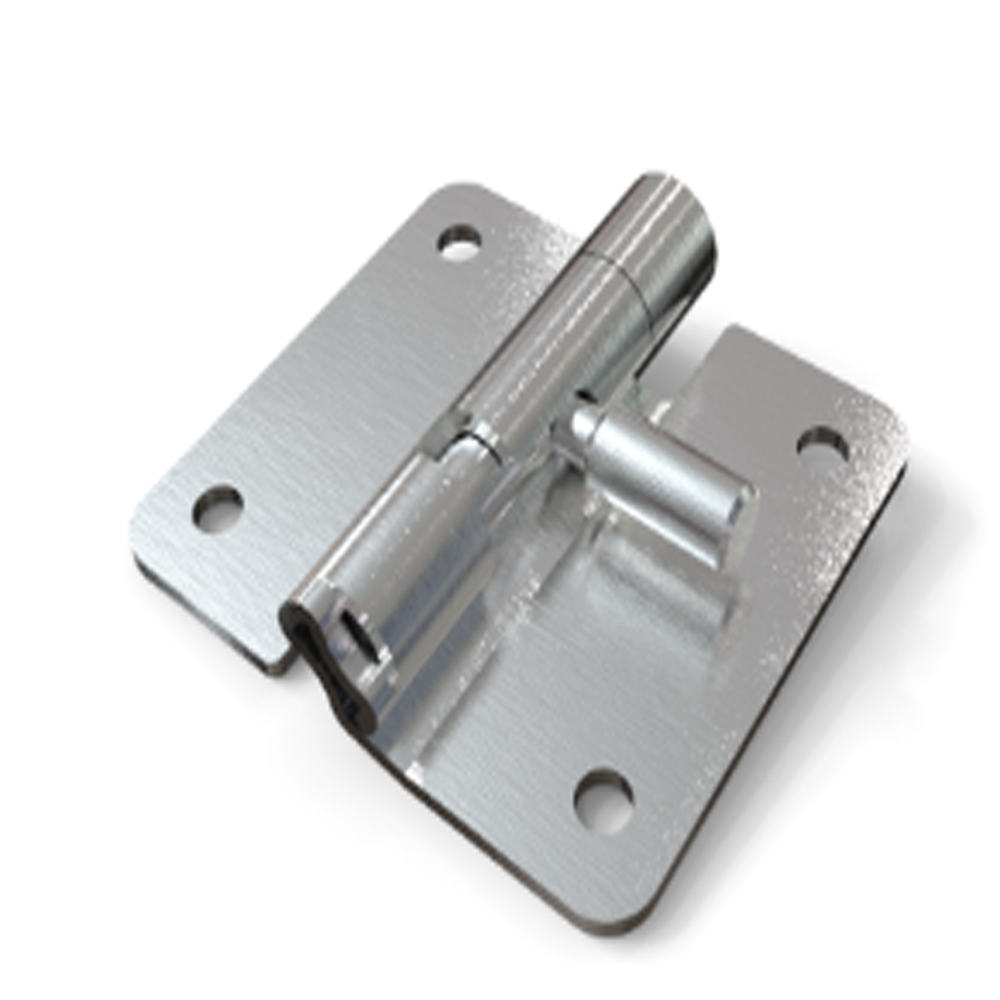
Key Application Areas of Stainless Steel
XY’s stainless steel solutions are widely used across multiple industries for custom metal components, including:
Automotive: Exhaust system parts,body structures, fasteners, and decorative components. Stainless steel's corrosion resistance enhances overall vehicle reliability.
Aerospace: Structural and assembly components exposed to high-temperature and corrosion-sensitive environments.
Medical Devices: Surgical instruments, medical supports, and cleanroom internal components, where hygiene and corrosion resistance are critical.
Food & Pharmaceutical:Equipment parts, piping, and containers. Stainless steel is preferred due to its easy cleaning, non-toxic, and safe properties.
Construction & Machinery: Structural supports, control panels, and outdoor equipment components.
Common Stainless Steel Types
Stainless steel is categorized by chemical composition and crystal structure. The main types used in custom metal component manufacturing include:
Austenitic Stainless Steel (e.g., 304, 316/316L): Excellent corrosion resistance and formability; widely applied in industrial and consumer products.
Ferritic Stainless Steel: Suitable for applications with moderate corrosion requirements and cost sensitivity.
Martensitic Stainless Steel:Heat-treatable for increased strength and hardness; commonly used in tools and high-strength parts.
Duplex Stainless Steel: Combines austenitic and ferritic properties, offering high strength and corrosion resistance.
Advantages of Stainless Steel Processing
Stainless steel combines superior corrosion resistance and durability with excellent machinability, supporting diverse manufacturing processes:
Stamping, Sheet Metal, and Deep Drawing: Ideal for automotive, machinery housings, and structural components.
CNC Machining: Achieves high-precision dimensions and complex geometries.
Welding and Assembly: Controlled heat input ensures reliable structural connections.
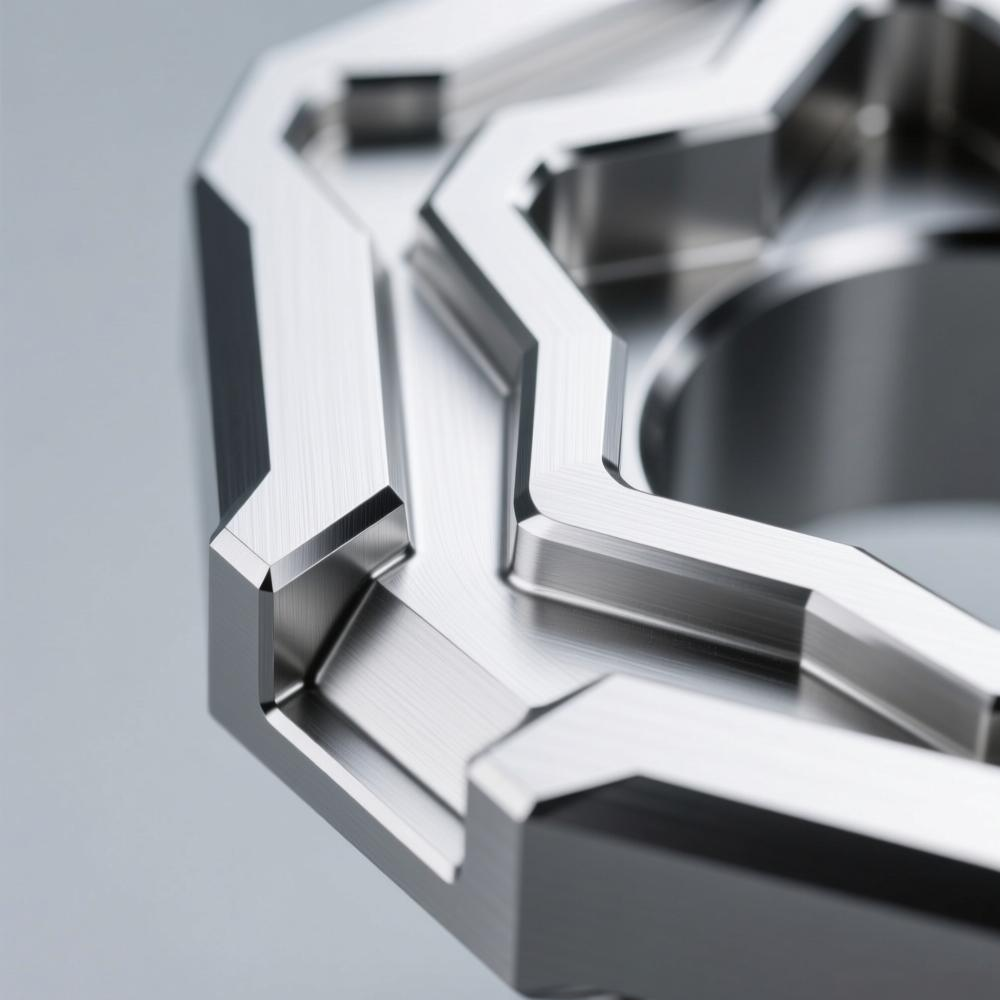
Integrated Surface Finishing:Polishing, electropolishing, and sandblasting provide both functional and aesthetic enhancements.
Advantages and Process Segmentation of Stainless Steel Surface Treatment
The performance of stainless steel is not only determined by the material itself, but also closely related to the surface condition. Through various surface treatment processes, not only can the corrosion resistance be enhanced, but also the appearance and usage performance can be improved, thus meeting different application requirements.
Main surface treatment methods and characteristics
Mechanical polishing / Mirror finish
Improves surface smoothness and appearance texture, reduces microscopic cracks, which is beneficial for enhancing corrosion resistance and facilitating cleaning.
Sandblasting / Wire Drawing Treatment
By subjecting the surface to high-speed particle impact, a uniform texture is formed on the surface, enhancing the decorative and wear-resistant properties of the product.
Electropolishing
This process removes fine impurities and protrusions on the surface through electrochemical means, resulting in a shiny and smooth surface, and further enhancing the corrosion resistance.
Chemical treatment and passivation
By using chemical methods such as acid washing and passivation to clean the surface and form a stable protective layer, the overall corrosion resistance is enhanced. This is commonly used in medical and food industry components.
Color or pattern processing
Utilizing techniques such as chemical oxidation and laser engraving to achieve color or texture designs, meeting specific aesthetic and functional requirements.