Electroless Plating (Chemical Plating)
What Is Electroless Plating?
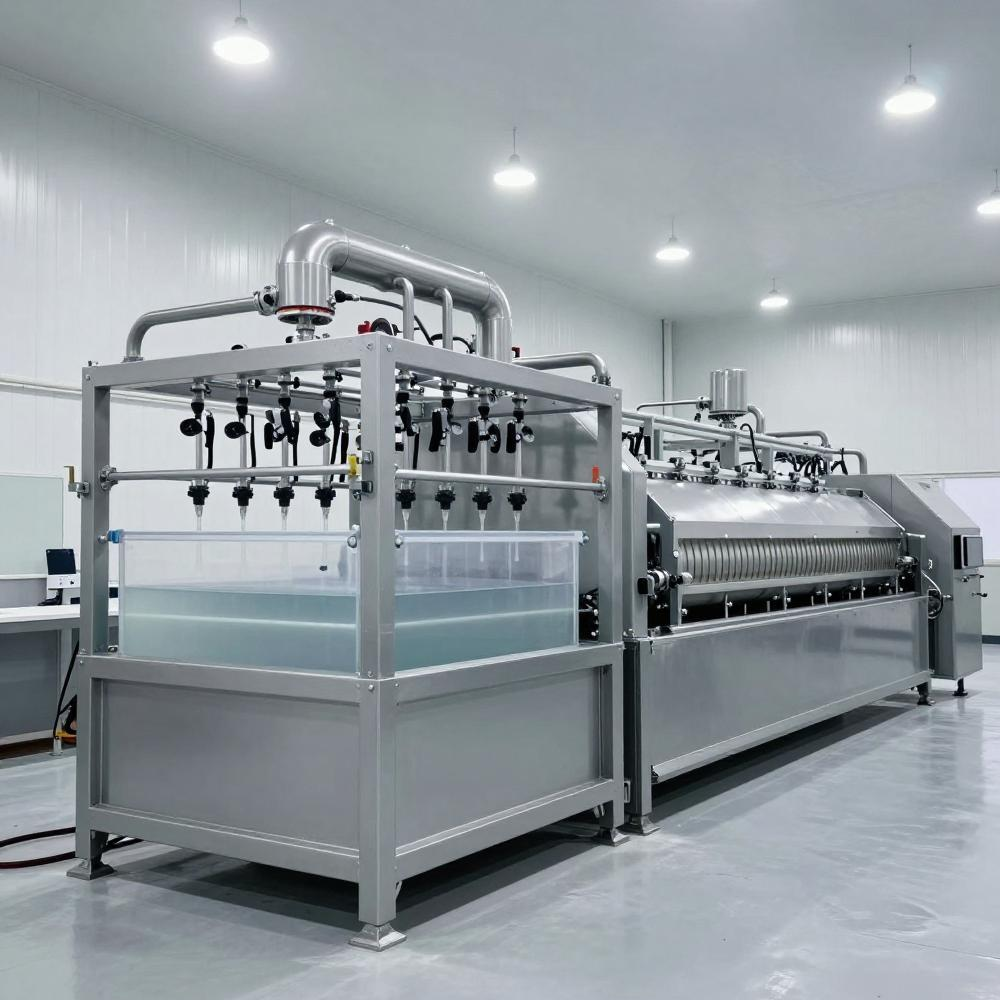
Electroless plating is a metal deposition process that does not require external electric current. Instead, a chemical reduction reaction allows metal ions to deposit uniformly onto the component surface.
This technology is particularly suitable for custom metal parts requiring:
High wear resistance
Excellent corrosion resistance
Electrical conductivity
Dimensional stability and precision
By forming a uniform coating layer, electroless plating significantly improves the durability, reliability, and service life of components in demanding working environments.
Integrated Manufacturing Capability
With Nanpi Xingye’s comprehensive manufacturing capabilities in:
Metal stamping
Sheet metal fabrication
Welding
CNC precision machining
we can evaluate electroless plating compatibility during the component design stage. This allows us to optimize structural details for plating processes and achieve:
Stable coating performance
Controlled production yield
Consistent batch delivery
Our integrated approach ensures that electroless plating solutions remain stable, repeatable, and scalable for mass production.
Advantages of Nanpi Xingye Electroless Plating Services
Precision Manufacturing Management
Strict quality control throughout the entire process—from material selection to post-treatment—ensures consistent surface quality for every component.
Mass Production Capability
Ideal for large-scale manufacturing, maintaining stable coating quality and enabling reliable delivery for high-volume orders.
Integrated Process Services
We provide complete electroless plating solutions including:
Surface pretreatment
Chemical deposition
Post-treatment processes
Quality inspection
ensuring all finished parts meet strict customer specifications.
Advanced Equipment and Technology
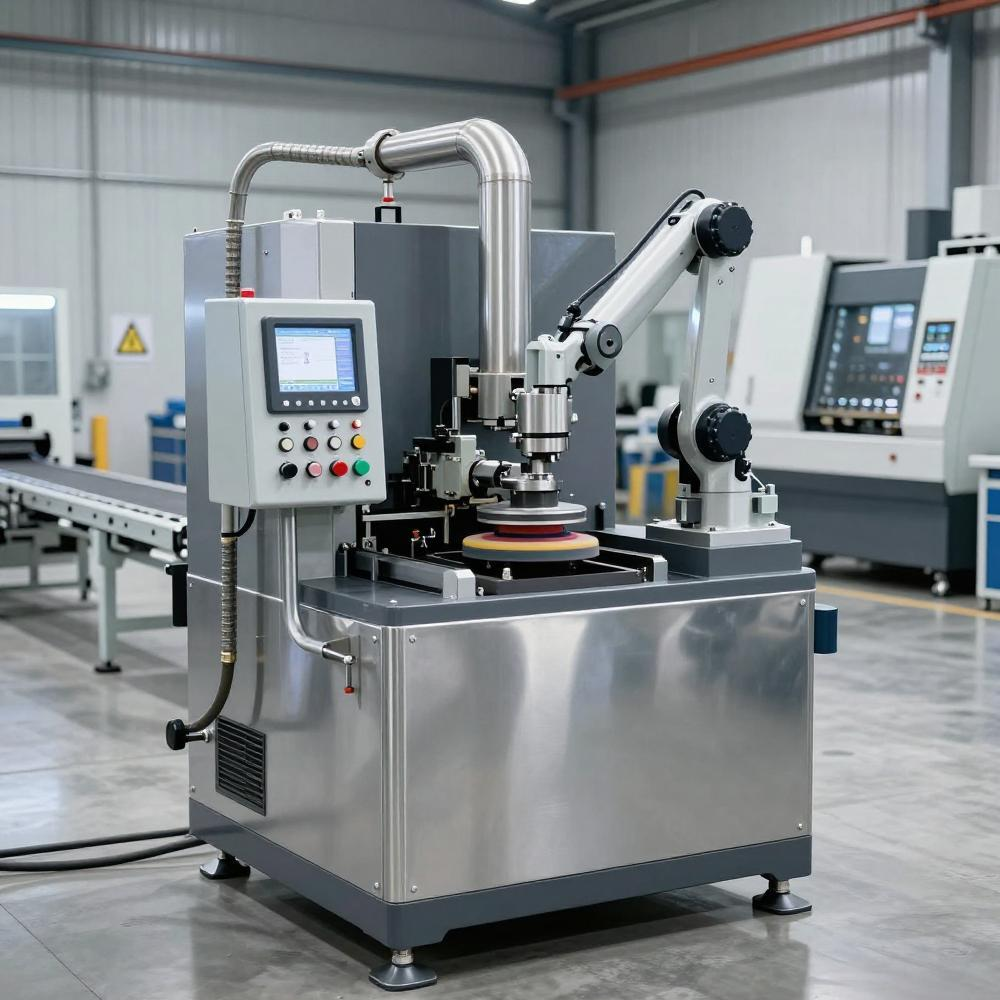
Nanpi Xingye operates advanced electrochemical processing equipment and applies internationally proven electroless plating technologies to deliver highly reliable surface treatment solutions.
Electroless Plating (Chemical Plating) – Applications and Typical Products
Automotive & Transportation
Typical Components: Sensor housings, actuator parts, precision metal components in fuel and brake systems, connectors, and functional support parts.
Application Notes: Electroless nickel plating serves as a functional protective coating, maintaining uniform thickness in complex structures and internal cavities. It is ideal for long-term, reliable performance in automotive components.
Industrial Equipment & Automation
Typical Components: Slides,bushings, guide elements in automated machinery; precision mechanical structural parts; wear- and corrosion-resistant working components.
Application Notes: Electroless plating ensures consistent protection for high-load and high-friction components in industrial automation systems.
Electronics & Electrical Industry
Typical Components: Precision connectors, shielding housings, conductive or anti-oxidation critical metal parts, high-frequency electronic device structures.
Application Notes: Provides reliable electrical conductivity, corrosion resistance, and dimensional stability for sensitive electronic components.
Medical & Precision Instruments
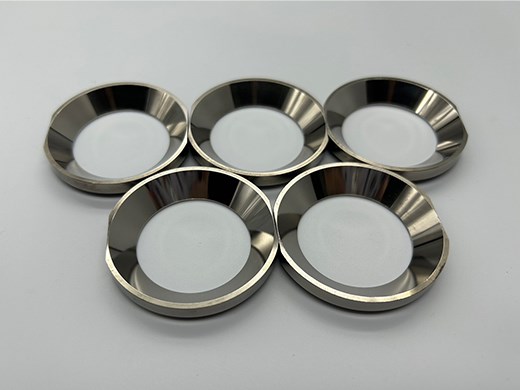
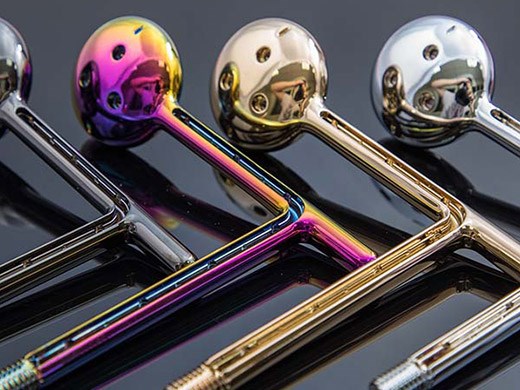
Typical Components: Metal assemblies for medical devices, precision instrument parts, components requiring extremely high coating consistency and stability.
Application Notes: Electroless plating ensures uniform, durable coatings, critical for medical and laboratory applications where performance and reliability are paramount.
Materials Suitable for Electroless Plating
Electroless plating is highly versatile and, with proper pre-treatment, can be applied to a wide range of metal substrates:
Carbon steel / Alloy steel
Stainless steel
Aluminum alloys (activation required)
Copper and copper alloys
Powder metallurgy components
Complex welded and assembled structures
This flexibility makes electroless plating one of the most universally applicable surface treatments in custom metal parts manufacturing.
Typical Electroless Plating Process
Pre-treatment
Degreasing and cleaning
Acid pickling or surface activation
Catalyzation (critical step for uniform deposition)
Chemical Deposition
Metal deposition under controlled temperature and solution composition
Coating grows automatically through chemical reaction, ensuring uniform thickness
Post-treatment
Cleaning and drying
Optional heat treatment to improve hardness and wear resistance
Quality Inspection
Coating thickness measurement
Adhesion testing
Visual and functional performance verification
Main Electroless Plating Types
Electroless Nickel Plating
Ni-P (Nickel-Phosphorus):
High corrosion resistance
Excellent wear resistance
Widely used in automotive, electronics, and industrial applications
Ni-B (Nickel-Boron):
Higher hardness
Suitable for parts exposed to extreme wear conditions
Electroless Copper Plating
Commonly used in electronics
Provides excellent electrical conductivity
Often serves as a base layer for subsequent plating or functional coatings