powder-coating-surface-treatment
Powder Coating Surface Treatment
The Role of Powder Coating in Custom Metal Parts Manufacturing
In large-scale custom metal parts manufacturing, powder coating is one of the most widely used finishing methods, combining durable protection, consistent appearance, and stable mass production performance.
At Nanpi Xingye, powder coating is not treated as an isolated finishing step. Instead, it is integrated with our manufacturing processes—including metal stamping, sheet metal fabrication, welding, and CNC machining. From the structural design stage, we carefully consider factors such as hanging points, masking surfaces, assembly tolerances, and coating thickness to ensure stable delivery standards in corrosion resistance, impact resistance, weather resistance, and visual consistency.
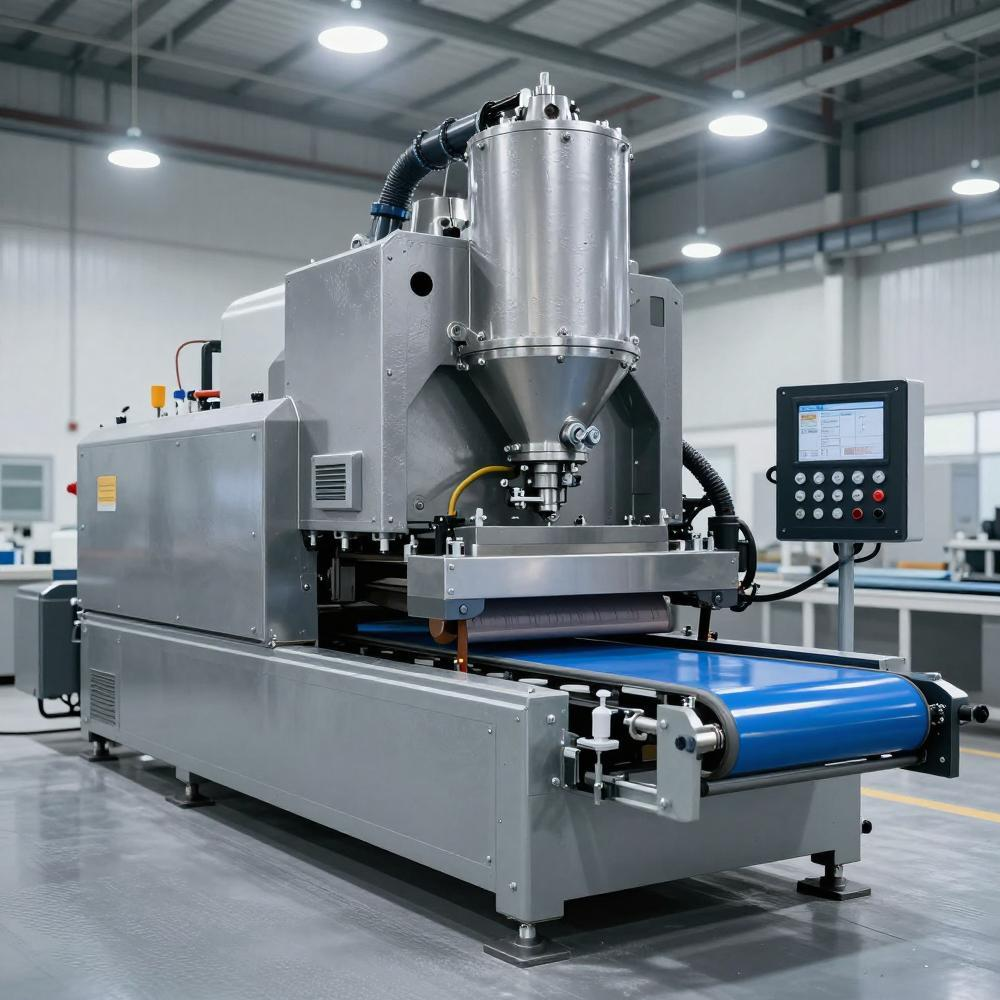
The powder coating process typically includes surface pretreatment → electrostatic powder spraying → thermal curing, forming a durable protective coating layer. In many industrial applications, powder coating has become an effective alternative to traditional liquid painting systems.
Within Nanpi Xingye's custom metal manufacturing system, powder coating is not simply a color finishing step. It is an engineering-level surface treatment technology that must be coordinated with product structure design, material selection, manufacturing methods, and service environment.
The final performance of powder coating depends on the comprehensive control of four key factors:
Base material condition
Pretreatment system
Powder coating type
Curing process parameters
How Nanpi Xingye Applies Powder Coating in Real Projects
In our custom metal parts manufacturing projects, powder coating is typically applied to the following three categories of products:
Medium-to-large batch parts with long-term supply requirements
Structural components requiring corrosion resistance and consistent appearance
Industrial components requiring a balance between cost, durability, and stability
For this reason, powder coating in our company is not merely an optional finishing process. Instead, it is treated as a standardized, repeatable, and scalable surface finishing solution suitable for mass manufacturing.
Engineering Logic for Selecting Powder Coating
At Nanpi Xingye, the decision to use powder coating is not simply based on customer preference. Instead, it is evaluated through the following four engineering criteria during project planning:
1. Production Volume
✔ Medium or large batch production → Powder coating is preferred
✖ Single pieces or small prototype batches → Cost and tooling feasibility must be evaluated
2. Part Geometry and Structure
✔ Parts with multiple edges,bends, or welded seams → Powder coating provides better edge protection
3. Appearance and Color Consistency Requirements
✔ When color stability and batch-to-batch appearance consistency are important → Powder coating performs better than traditional liquid painting
4. Balance Between Corrosion Resistance and Cost
✔ When a project requires a balance between durability and cost efficiency, powder coating often provides the most cost-effective solution.
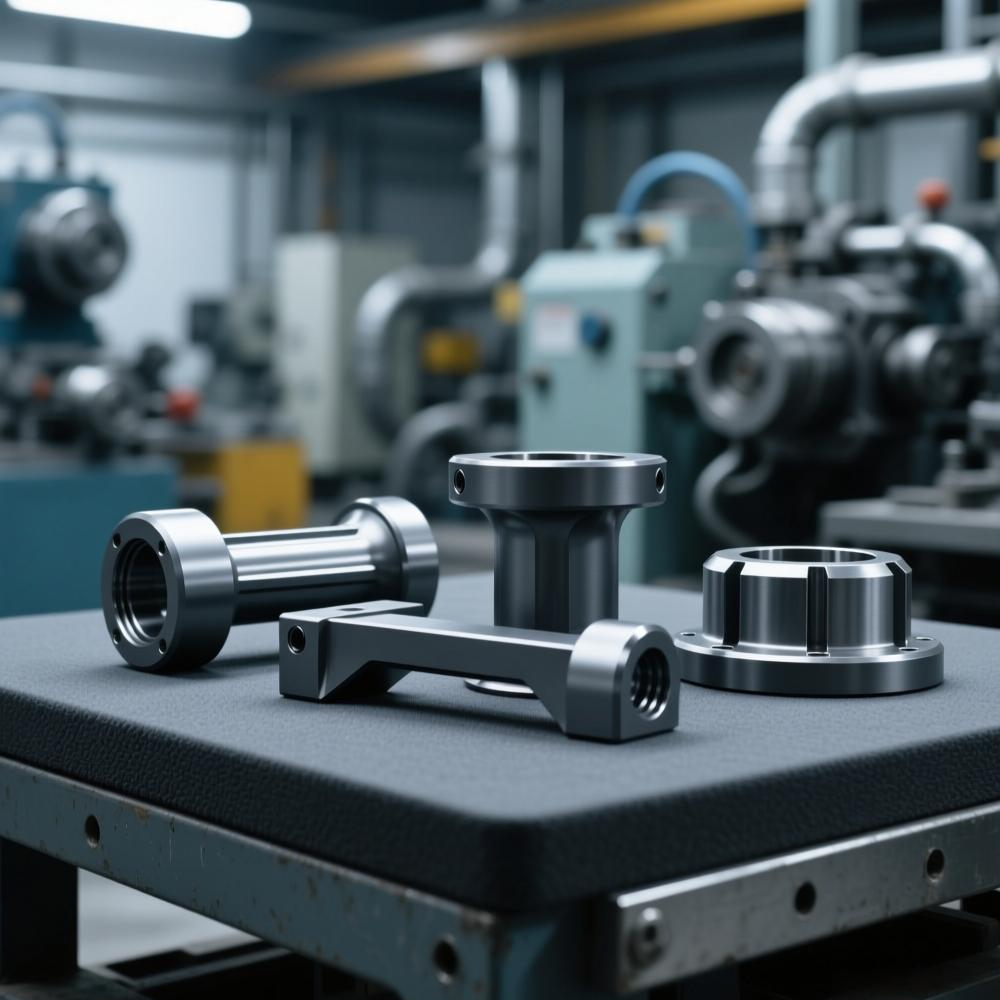
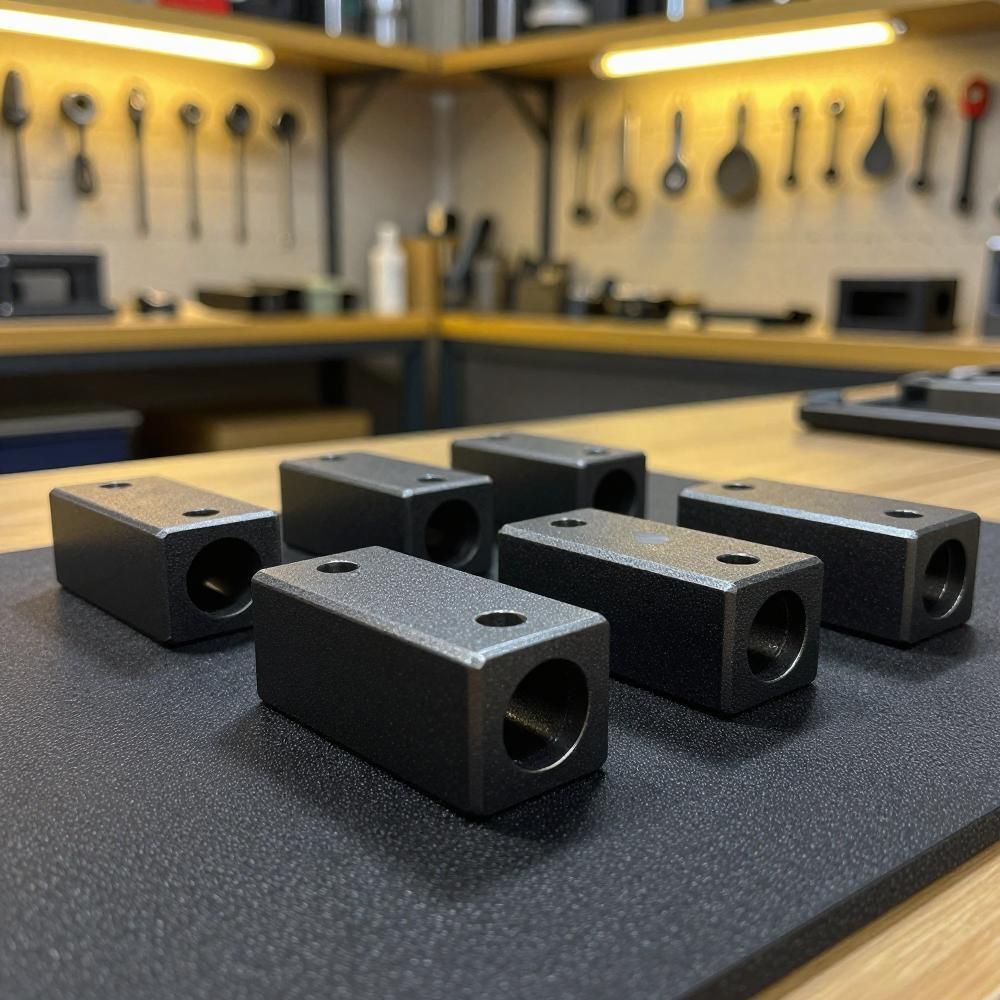
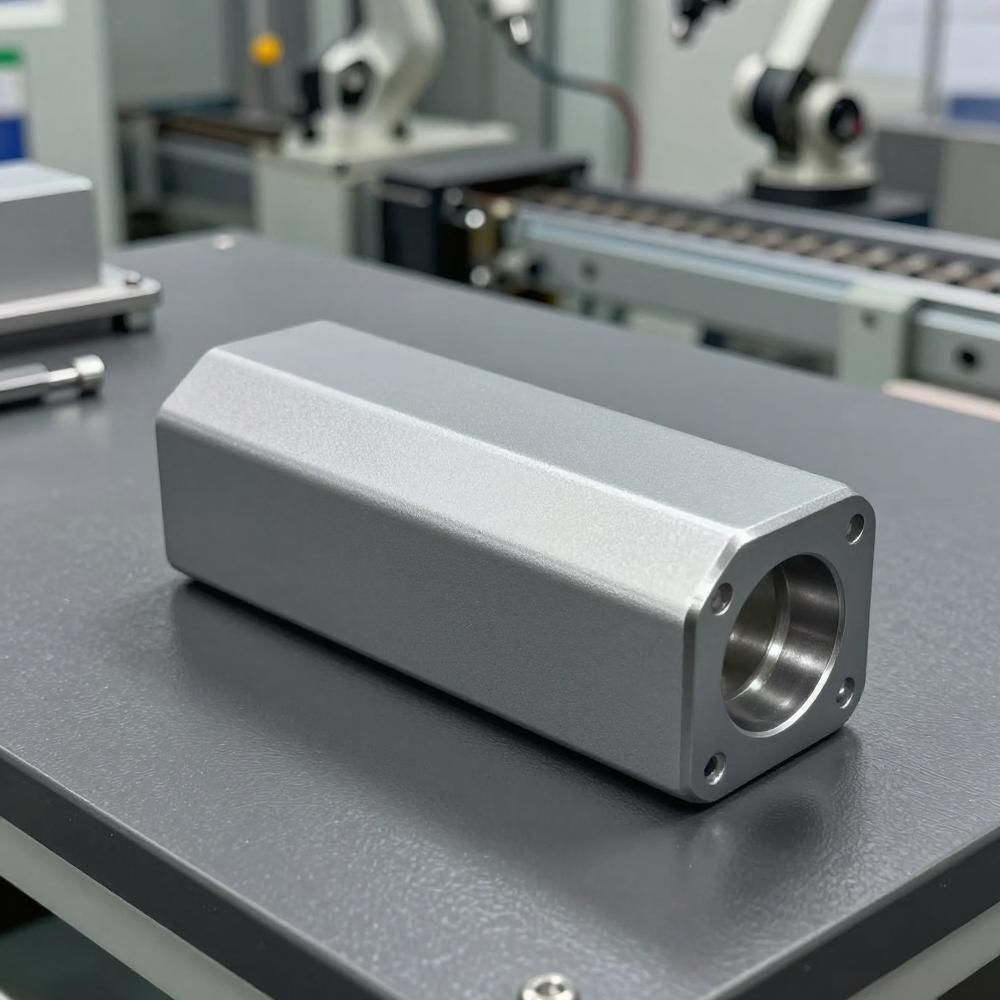
Powder Coating for Custom Metal Parts
Nanpi Xingye – Powder Coating Applications and Solutions
Overview: The Role of Powder Coating
In large-scale custom metal parts manufacturing, powder coating is a leading finishing solution that combines durable protection, consistent appearance, and batch-to-batch stability. At Nanpi Xingye, the powder coating process is fully integrated with stamping, sheet metal, welding, and CNC machining workflows. From the design stage, we consider hanging points, masking areas, assembly tolerances, and coating thickness, ensuring consistent corrosion resistance, impact resistance, weather durability, and visual quality across all production runs.
The process typically follows:
Pretreatment → Electrostatic Powder Spraying → Curing, forming a durable and uniform coating layer. Powder coating is not a simple surface coloring step but an engineering-grade surface treatment technology coordinated with structural design, material selection, manufacturing method, and environmental requirements. Its final performance depends on the combination of substrate condition, pretreatment, powder type, and curing parameters.
Typical Applications and Products
Powder coating is ideal for metal parts requiring uniform appearance, corrosion and wear resistance, and impact protection. Common applications include:
1. Automotive and Transportation
Typical Parts: Brackets, mounts,shields, connectors, body structural accessories
Requirements: Salt spray, stone impact, chemical resistance
Benefits: Durable corrosion protection, uniform coverage on complex shapes
2. Industrial Equipment and Automation
Typical Parts: Cabinet enclosures,support structures, guide/protective components
Requirements: Abrasion resistance,oil and cleaning chemical resistance
Benefits: Uniform protective coating for industrial environments
3. Electronics and Electrical
Typical Parts: Control boxes, heat sinks, enclosures, shields
Requirements: Insulation, weather resistance, consistent appearance
Benefits: Ensures electrical insulation, durability, and aesthetic consistency
4. Outdoor and Sporting Equipment
Typical Parts: Brackets, metal structural components
Requirements: UV resistance,weatherproofing, anti-aging
Benefits: Long-term exposure stability and durable outdoor performance
Structural and load-bearing components:
Products: Equipment frames, support brackets, mounting bases
Powder Coating Advantages:
Controlled coating thickness (typically higher than conventional paint)
Excellent edge coverage, reducing corrosion initiation points
Impact and transport damage resistance
Industrial components combining appearance and function:
Products: Cabinet housings, protective covers, control boxes
Advantages:
High surface uniformity, minimal color variation
Optional textures: matte, fine sand, wrinkle finishes
Easy to clean and resistant to oils
Outdoor and semi-outdoor components:
Products: Power equipment structural parts, outdoor support components
Advantages:
Polyester systems provide excellent UV and weather resistance
Suitable for long-term exposure to sun, heat, and humidity
Suitable Materials for Powder Coating
Powder coating is primarily applied to metal substrates. Common industrial materials include:
Carbon steel / Alloy steel: Sheets and parts for industrial equipment, brackets, structural components
Aluminum & Aluminum alloys:Lightweight structural and decorative components
Galvanized steel (including hot-dip): Requires precise pretreatment and process control due to higher sensitivity
Powder Coating Process Control
Key process control points:
1. Pretreatment Control
Surface cleanliness directly affects coating adhesion
Uneven conversion layers may cause peeling later
2. Spraying Control
Gun too close → “orange peel” texture
Gun too far → thin edges
Electrostatic parameters must match powder particle size
3. Curing Control
Under-curing → Reduced corrosion resistance
Over-curing → Color deviation or coating brittleness
4.Powder Selection & Formulation Control
Under-curing → Reduced corrosion resistance
Over-curing → Color deviation or coating brittleness
Common Client Questions
Q1: Will powder coating affect assembly?
A: Proper masking and thickness control prevent any assembly interference.
Q2: Is powder coating corrosion-resistant?
A: Corrosion resistance depends on pretreatment and powder type, suitable for most industrial environments.
Q3: Can it be applied for long-term mass production?
A: Yes, powder coating is designed for consistent, large-batch production.
Q4: Will batch color be inconsistent?
A: Powder systems provide better batch consistency than liquid painting.
Q5: Is it expensive?
A: For large batches, total cost is typically lower than conventional liquid coatings.
Why Choose Nanpi Xingye for Powder Coating?
Mass Production Capability: Ideal for large-scale custom metal parts with consistent batch quality
Corrosion and Wear Resistance:Durable protective coating for harsh industrial and outdoor environments
Eco-Friendly: Solvent-free process meets green manufacturing standards
Versatile Application: Works with steel, aluminum, and galvanized steel, supporting diverse component structures
Custom Colors & Effects:Variety of finishes, including metallic textures, to meet aesthetic requirements
Why Nanpi Xingye Excels in Powder Coating for Mass Production:
🔧 Powder coating workflow coordinated with stamping, sheet metal, and welding processes
📐 Design-stage consideration for coating tolerance and masking areas
📦 Ideal for continuous delivery, not just prototypes
🔁 Can integrate with E-Coating, Electroplating, and Sandblasting for hybrid surface solutions