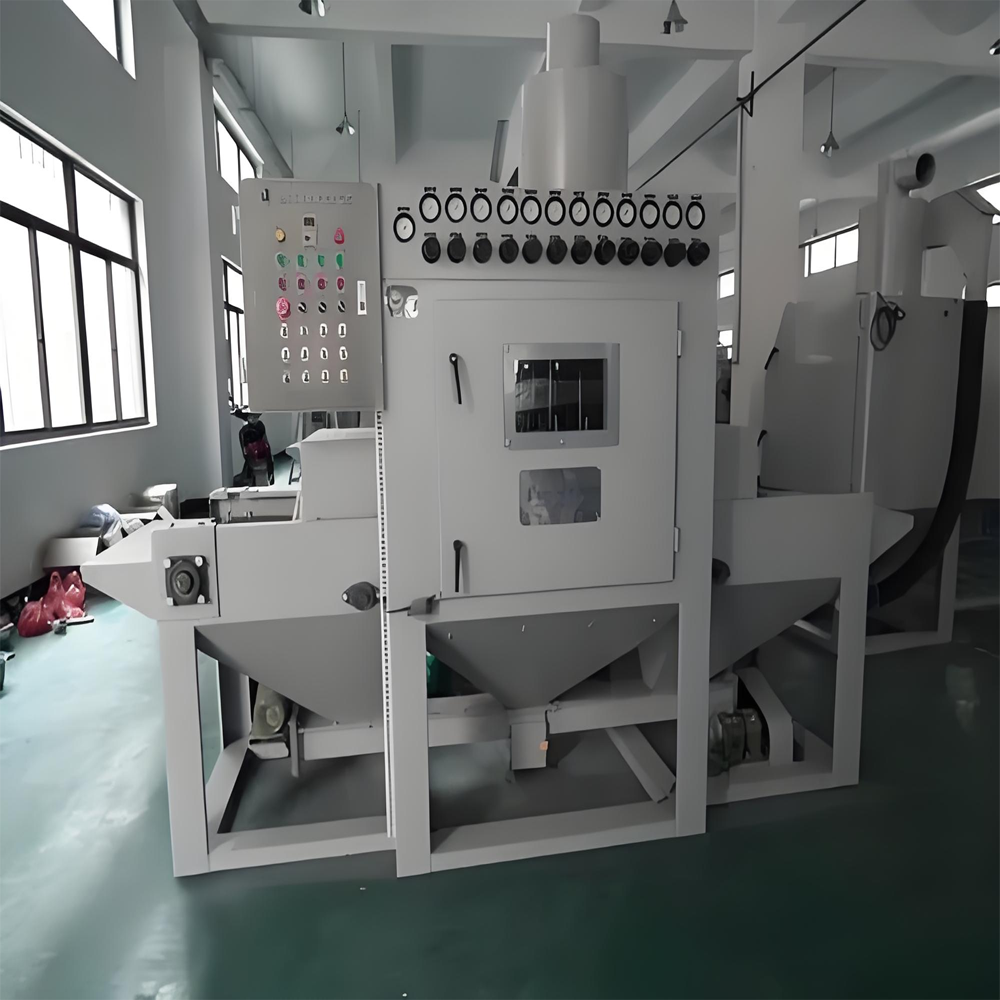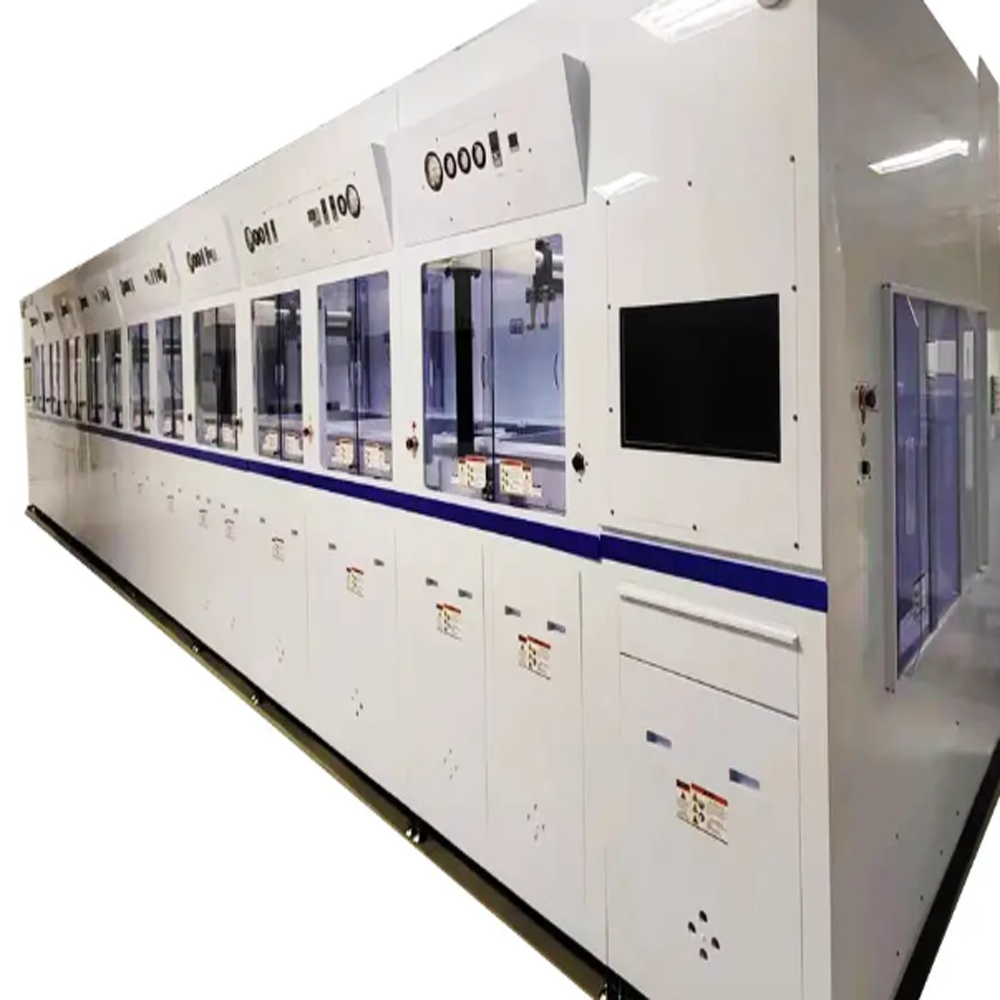
Anodizing
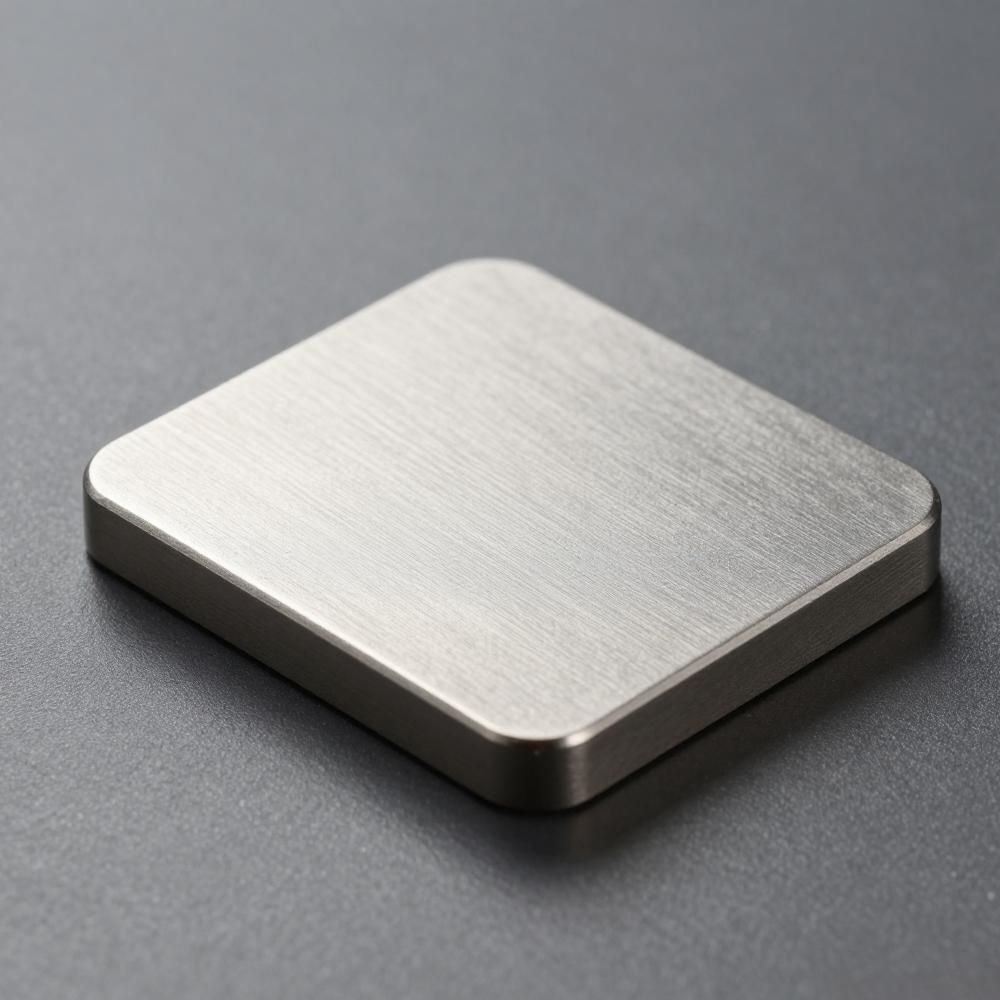
Anodizing Surface Treatment
Nanpi Xingye Anodizing Overview for Custom Metal Parts
Anodizing is a mature electrochemical surface treatment process in which a metal substrate acts as the anode (positive electrode) in a specialized electrolyte under direct current. During this process, a dense and durable oxide layer forms naturally on the metal surface.
Unlike traditional coating methods, this oxide layer is not simply applied to the—it is grown from the base material itself, creating a tightly bonded protective layer. As a result, anodized components offer significantly improved:
Corrosion resistance
Wear resistance
Weather resistance
Surface adhesion performance
In the field of custom metal parts manufacturing, anodizing is one of the most effective technologies for enhancing both functional performance and visual appearance. When integrated with metal stamping, sheet metal fabrication, CNC precision machining, and surface strengthening processes, Nanpi Xingye delivers cost-effective and highly consistent surface finishing solutions for industrial applications.
Anodizing as a Functional Surface Engineering Process
In custom metal component manufacturing, anodizing is not merely an aesthetic finishing process—it is a critical functional surface engineering technology.
At Nanpi Xingye, anodizing is considered a key reinforcement stage following structural design, material selection, and machining processes. Through systematic control of:
Coating thickness
Pore structure
Electrolyte parameters
Sealing treatments
we significantly enhance the engineering performance of metal parts, including:
Corrosion resistance
Wear resistance
Electrical insulation
Appearance stability and durability
Integrated Manufacturing Capability
Leveraging our strong manufacturing foundation in:
Metal stamping
Sheet metal fabrication
CNC precision machining
Precision assembly
Nanpi Xingye is able to maintain stable anodized coating consistency and full process traceability even in large-scale custom production.
This makes anodized components particularly suitable for industrial applications requiring long service life, high stability, and consistent appearance.
Advantages of Nanpi Xingye Anodizing Services
Integrated Surface Engineering Solutions
Surface finishing is planned together with stamping, CNC machining, and other manufacturing processes to improve overall production efficiency.
Stable Mass Production Capability
Strict control of anodizing parameters ensures consistent coating thickness and quality across large production batches.
Cross-Industry Applications
Widely used in automotive, electronics, industrial machinery, and high-end equipment manufacturing.
Quality System Assurance
All processes operate under strict quality management systems such as ISO 9001 and IATF 16949, ensuring reliable product performance and consistent delivery standards.
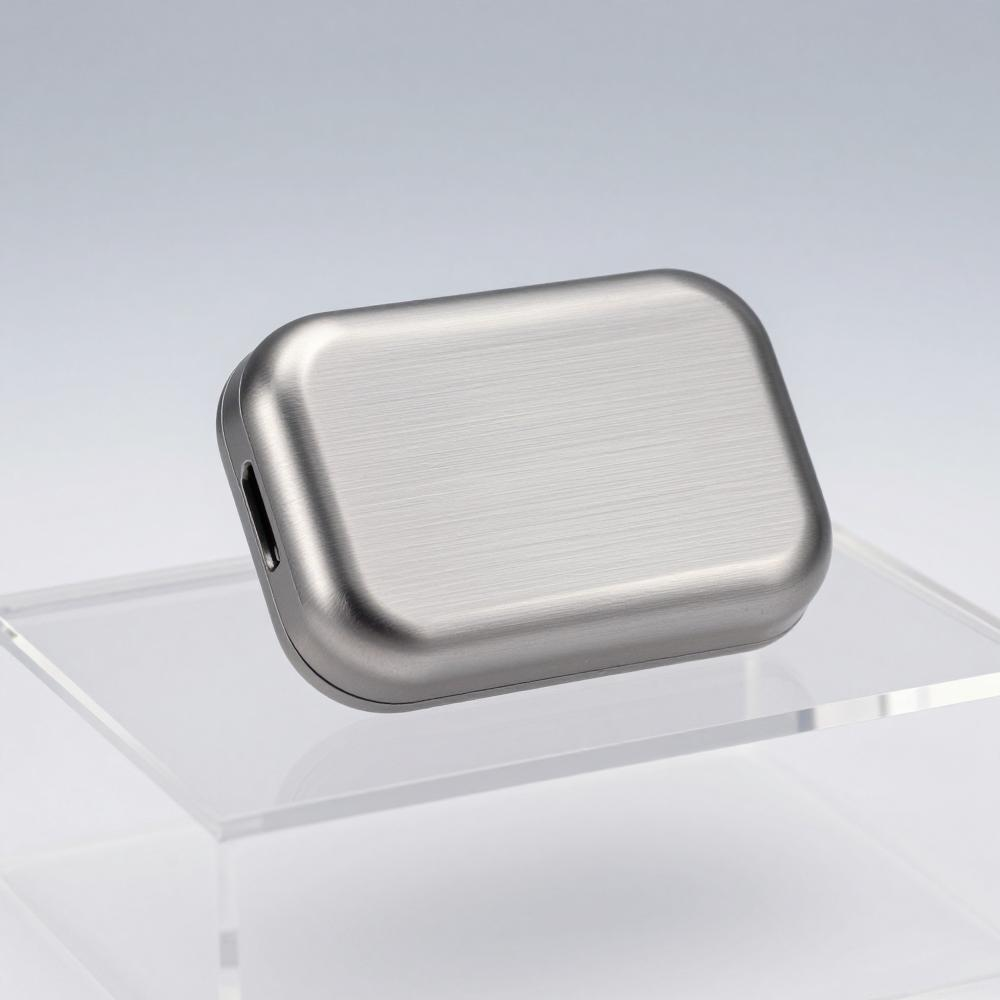
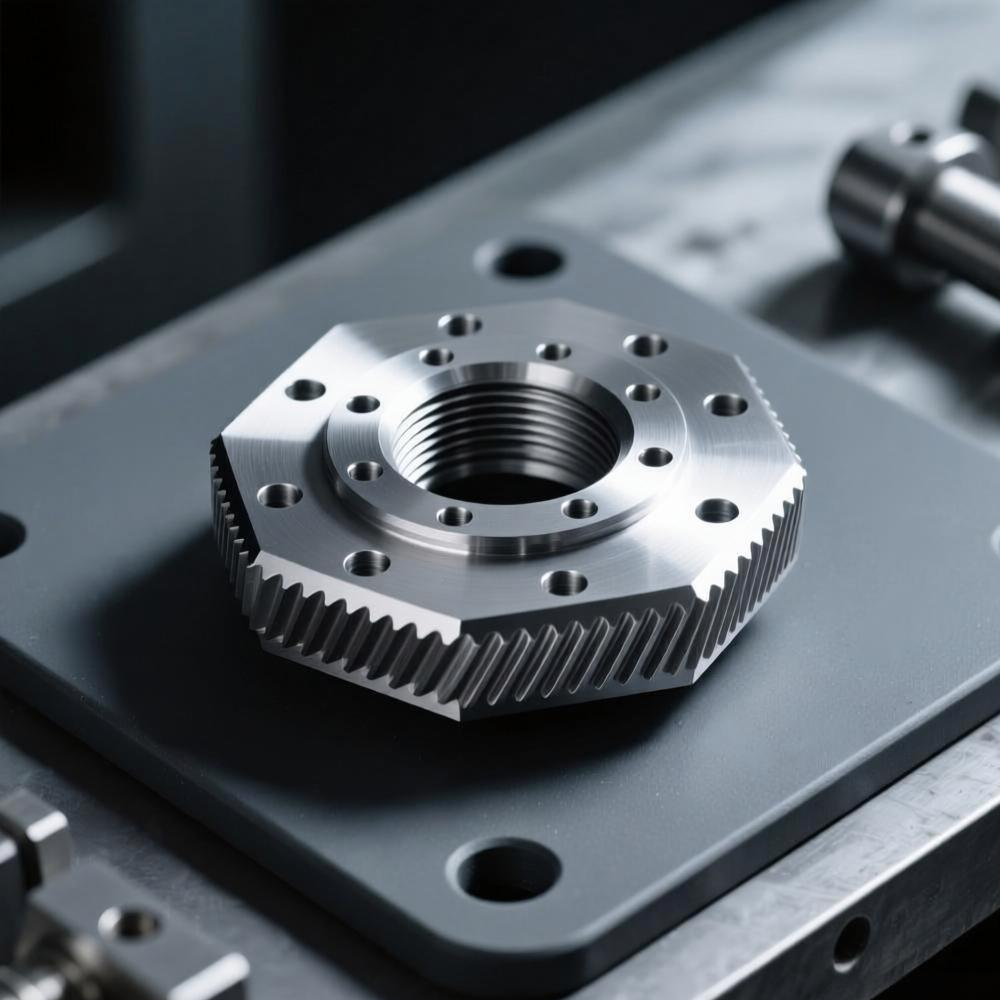
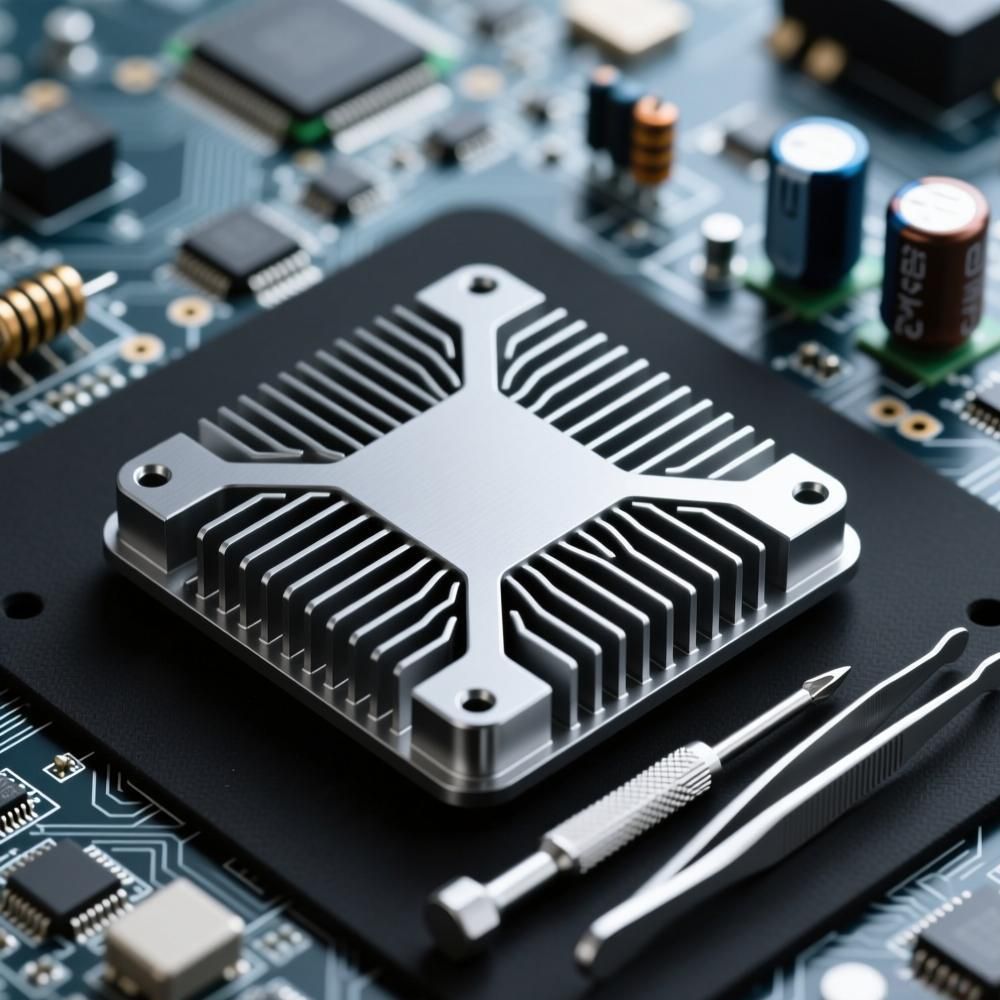

Anodizing Applications for Custom Metal Parts
Nanpi Xingye – Advanced Anodizing Solutions
Anodizing is a versatile and widely used surface treatment in modern manufacturing. It enhances corrosion resistance, wear resistance, surface hardness, and aesthetic appeal, making it ideal for high-performance custom metal components. Nanpi Xingye provides anodizing services integrated with stamping, sheet metal, CNC machining, and assembly, delivering consistent, durable, and high-quality surface finishes tailored to industrial standards.
Typical Anodizing Applications and Products
🚗 Automotive & Transportation Equipment
Typical Components: Aluminum decorative trims, brackets, interior and exterior panels
Engine covers, body side trims
Parts requiring structural protection and decorative finishes
⚙️ Machinery & Industrial Equipment
Lightweight aluminum structural parts
CNC-machined aluminum components
Tool guides and framework parts
📱 Consumer Electronics & High-End Products
Smartphone frames and casings
Laptop aluminum components
Bicycle and outdoor equipment aluminum parts
🪩 Aerospace & Rail Transportation
Aluminum-titanium alloy structural components
High-load, lightweight assemblies
🏥 Medical Devices & Instruments
Aluminum components for surgical instruments
Instrument enclosures and structural parts
Key Benefits:
These components often require enhanced corrosion resistance, wear protection, aesthetic consistency, and dimensional stability. Anodizing offers a range of customizable processes to suit different materials, functional requirements, and design specifications.
Suitable Materials for Anodizing
Nanpi Xingye primarily anodizes the following materials:
Aluminum & Aluminum Alloys
Common grades: 6061, 6063, 5052, 7075
Features: Strong bonding with base material, mature process,high controllability
Magnesium Alloys
Suitable for lightweight components
Requires strict pretreatment and sealing processes
Titanium & Titanium Alloys
Functional or decorative anodized layers
Used in high-end equipment or challenging environments
❗ Standard steels and stainless steels are not suitable for conventional anodizing and require alternative surface treatments.
Standard Anodizing Process
Nanpi Xingye follows a systematic anodizing workflow to ensure coating quality and consistency:
Pretreatment Cleaning
Remove oil, grease, and contaminants; ensure surface activation for uniform anodized layer formation.
Electrolytic Oxidation
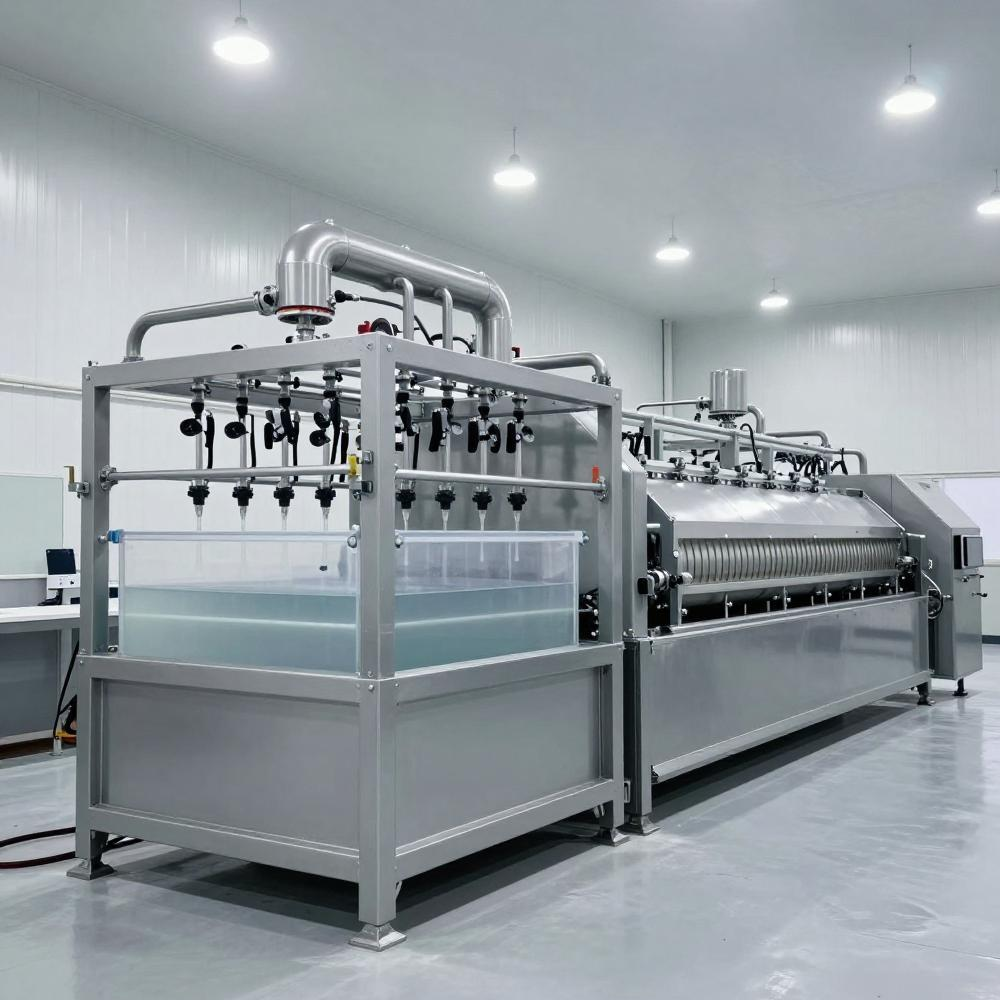
Immerse the part as an anode in an electrolyte (commonly sulfuric or oxalic acid solutions) and apply electrical current to grow the oxide layer.
Coloring (Optional)
Dye penetrates the porous oxide layer to achieve specific color requirements.
Sealing
Seal pores using hot water or chemical sealants to improve corrosion resistance and durability.
Post-Treatment Inspection
Check coating thickness, adhesion, gloss, and color consistency to meet client specifications.
Common Types of Anodizing
Chromic Acid Anodizing
Forms a thin, dense oxide layer with minimal dimensional impact.
Ideal for precision parts and high-tolerance structural components.
Sulfuric Acid Anodizing
Industrially common, forming medium-thickness oxide layers.
Offers good corrosion protection and color versatility; preferred for most aluminum components.
Hard Anodizing (Hardcoat)
High-voltage, low-temperature process producing thicker and harder layers.
Suitable for wear-resistant, mechanically demanding parts.
Decorative / Colored Anodizing
Uses dye or post-sealing to achieve black, red, blue, or other decorative finishes.
Common in consumer electronics and decorative components.
Why Choose Nanpi Xingye Anodizing?
Enhances corrosion and wear resistance, surface hardness, and aesthetic consistency.
Integrated into material selection, design, and production workflow for stable, high-consistency results.
Suitable for high-volume production while maintaining quality control and repeatability.