
科技Aluminum vs Titanium: Which Is Better for Optical Equipment?_copy
Introduction

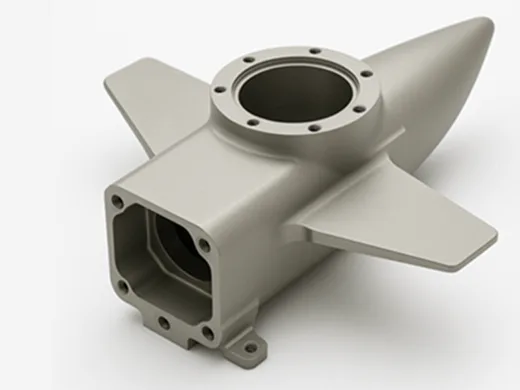
When it comes to building precision components for optical equipment—such as camera housings, mounts, lenses, or structural parts—material selection plays a critical role in performance, durability, and manufacturability. Among the most widely used materials, aluminum and titanium stand out for their unique properties.

In this article, we’ll compare aluminum and titanium specifically for use in optical equipment, and explore why aluminum CNC machining often becomes the go-to choice.

 Aluminum CNC Machining in Optical Equipment

Aluminum is one of the most popular materials in CNC machining due to its combination of light weight, strength, and excellent machinability. In the optical industry, aluminum is widely used for:

  • Camera housings and gimbals

  • Optical mounts and brackets

  • Lidar or drone-based equipment

  • Thermal-sensitive parts with cooling fins

The benefits of using aluminum CNC machining include:

  • ✅ High precision and tight tolerance capability (±0.005 mm achievable)

  • ✅ Fast cycle times in CNC machining

  • ✅ Compatibility with various surface treatments (anodizing, powder coating, etc.)

  • ✅ Excellent thermal conductivity for heat management

 Titanium in Optical Equipment

Titanium is known for its exceptional strength-to-weight ratio and corrosion resistance, which make it ideal for extreme environments (e.g., aerospace, deep sea). It is used in some optical applications, particularly:

  • High-end space or defense-related optics

  • Mounting systems in harsh outdoor conditions

  • Anti-vibration components

However, titanium comes with significant trade-offs:

  • ❌ Much harder to machine than aluminum (increased tool wear, longer machining time)

  • ❌ Higher cost—both material and machining

  • ❌ Limited finishing options compared to aluminum

 Comparison Table: Aluminum vs Titanium for Optical Equipment

FeatureAluminumTitanium
WeightVery lightSlightly heavier than aluminum
MachinabilityExcellent (fast & cost-effective)Poor (slow & expensive)
StrengthModerateVery high
Corrosion ResistanceGood with treatmentExcellent
Surface Finishing OptionsAnodizing, powder coat, etc.Limited, often raw or bead-blasted
Thermal ConductivityHigh (ideal for optics)Low
Cost (Material + Machining)LowHigh

Why Machined Aluminum is Often the Best Choice

Unless the application specifically requires extreme strength or environmental resistance, aluminum CNC machining offers a more balanced, economical, and scalable solution for most optical components.

Optical devices often rely on lightweight parts, tight tolerances, and good thermal performance—all of which aluminum delivers at a lower cost and with faster lead times.

Applications Where Aluminum CNC Machining Excels

  • Gimbal-mounted cameras and UAV payloads

  • Optical lens holders and adjusters

  • Infrared and laser sensor enclosures

  • Thermal control housings with heat sinks

Final Thoughts

While titanium has its place in niche, high-stress optical systems, aluminum remains the superior material for most optical applications. Its machinability, flexibility, and affordability make it the ideal choice when paired with precision CNC machining techniques.

If you’re sourcing optical equipment parts and looking for a trusted partner in aluminum CNC machining, our team offers ISO-certified, high-precision services trusted across aerospace, medical, and optical industries.

Get in Touch

Need help machining your next optical part?
Contact Chon Teng Precision (CTT) — your trusted partner in Aluminum CNC Machining for optical equipment.


Metal Components