
Aerospace

Your Trusted Partner in High-Precision CNC Aerospace Industry.
As a leading CNC precision manufacturing supplier, we specialize in producing high-complexity parts using advanced 5-axis machining technology. We deliver aerospace-grade components with exceptional accuracy and quality.
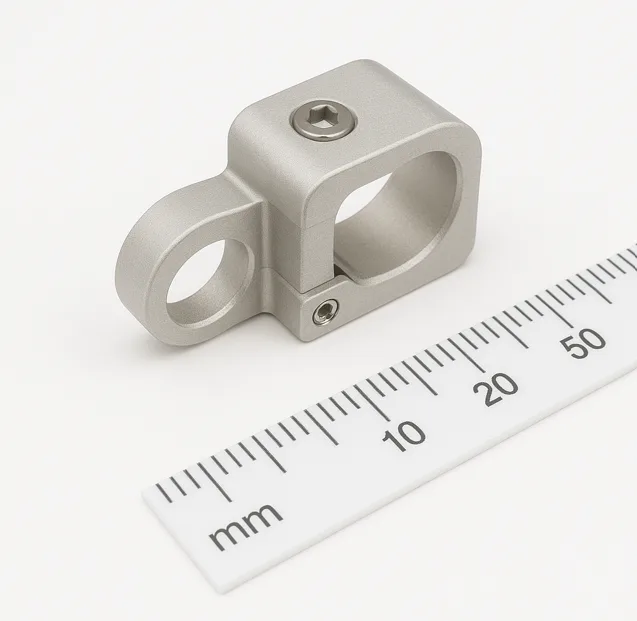
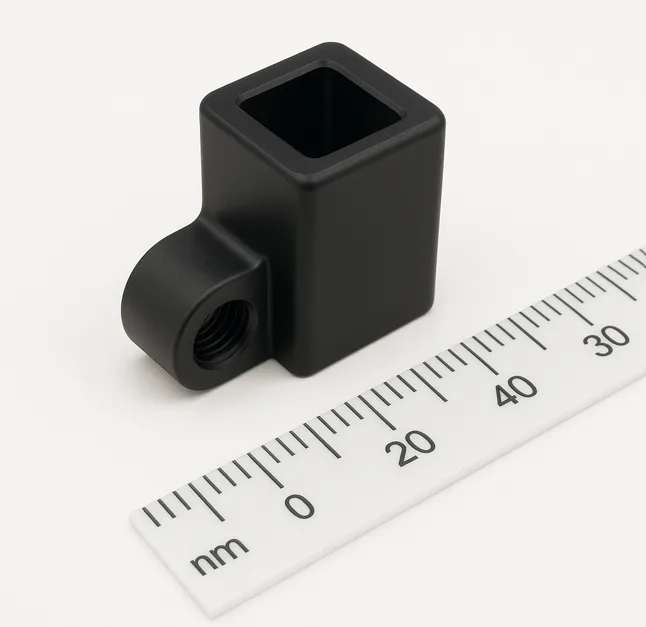
For avionics components, we offer expertly crafted aluminum alloy parts, including instrument panel brackets, heat sink modules, junction box enclosures, and flight control housings. Our precision manufacturing extends to cabin interior components such as seat adjustment mechanisms and seatbelt mounts, ensuring maximum reliability and performance.
In galley applications, we provide aluminum alloy catering storage racks, tray support modules, and seat suspension modules, designed for durability and lightweight efficiency.
With unparalleled precision and expertise, we support the aerospace industry’s most demanding requirements.
Metal processing and manufacturing in the aerospace industry encompass various techniques such as casting, forging, machining, 3D printing, and heat treatment. These methods are used to produce a wide range of aerospace components, from engine casings to aircraft landing gear. Due to the stringent requirements for material performance, safety, and reliability in the aerospace industry, metal manufacturing plays a critical role in aerospace engineering.
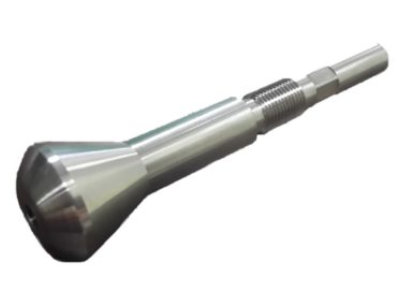
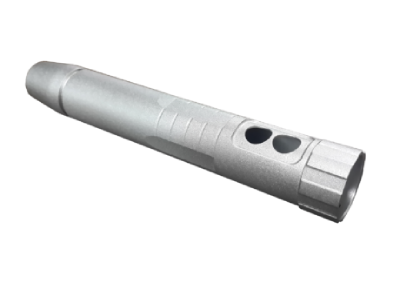
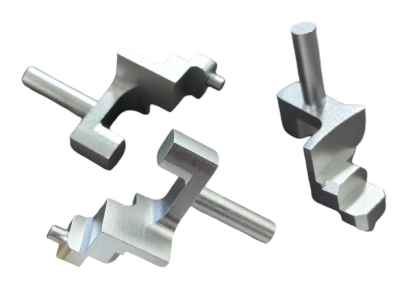
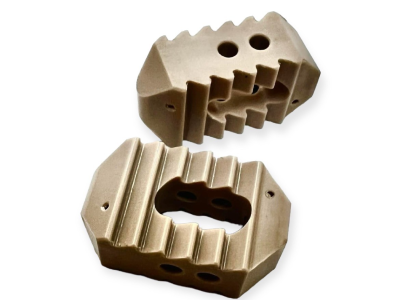
Engine Components (Aluminum Alloy):
Aluminum Alloy Turbine Blades
Aluminum Alloy Compressor Discs
Aluminum Alloy Engine Casings
Aluminum Alloy Fuel Nozzles
Aluminum Alloy Combustor Liners
Structural Components (Aluminum Alloy):
Aluminum Alloy Fuselage Frames
Aluminum Alloy Wing Spars
Aluminum Alloy Bulkheads
Aluminum Alloy Stringers
Aluminum Alloy Longerons
Landing Gear Components (Aluminum Alloy):
Aluminum Alloy Landing Gear Struts
Aluminum Alloy Shock Absorbers (Oleos)
Aluminum Alloy Wheel Assemblies
Aluminum Alloy Actuators
Aluminum Alloy Brake Discs
Avionics Components:
Aluminum Alloy Instrument Panel Brackets
Aluminum Alloy Heat Sink Modules
Aluminum Alloy Electromagnetic Shielding Housings
Aluminum Alloy Junction Box Enclosures
Aluminum Alloy Flight Control Housings
Aluminum Alloy Cable Clamp Assemblies
Cabin Interior Components:
Aluminum Alloy Seat Frames
Aluminum Alloy Overhead Compartment Support Brackets
Aluminum Alloy Seat Tracks
Aluminum Alloy Seat Adjustment Mechanisms
Aluminum Alloy Seatbelt Mounts
Galley Components:
Aluminum Alloy Catering Storage Racks
Aluminum Alloy Trolley Structures
Aluminum Alloy Galley Work Surface Supports
Aluminum Alloy Microwave Oven Brackets
Aluminum Alloy Food Container Support Structures
Aircraft Seats:
Aluminum Alloy Seat Frames
Aluminum Alloy Seat Suspension Modules
Aluminum Alloy Armrests
Aluminum Alloy Backrest Supports)
Aluminum Alloy Tray Table Supports
Aircraft Meal Trays:
Aluminum Alloy Meal Tray Frames
Aluminum Alloy Tray Securing Clamps
luminum Alloy Folding Tray Tables
Aluminum Alloy Tray Support Modules111111
Nickel-Based Alloys
Polycarbonate (PC)
Polyethylene (PE) and Polypropylene (PP)
Polystyrene (PS) and Expanded Polystyrene (EPS)
Polyimide (PI)
Carbon Fiber Composites
Fiberglass Composites
The selection of materials for aerospace products depends on many factors, including performance requirements, weight limitations, environmental conditions, and cost considerations. Therefore, different products may use different combinations of materials to meet their specific needs.2222
In the manufacturing of electronic components, CNC precision machining plays a crucial role, ensuring the precision and quality of various parts. In the production of low-Earth orbit satellites, CNC machining is used to manufacture components such as satellite bodies, solar panels, and communication antennas, ensuring their stability and reliability. Microwave communication manufacturing requires the production of high-frequency circuits, RF devices, and antennas, with CNC machining ensuring precision and the stability of microwave communication systems.
In the manufacturing of optical lens components, optical lenses, lens barrels, and other parts need CNC machining to ensure the performance and quality of the optical systems. Time-lapse photography manufacturing requires the production of camera bodies, mounts, lenses, and CNC precision machining ensures stability and quality. In the production of VAG automated guided vehicles (AGVs), the high-precision machining of components such as vehicle structures, tires, and electronic control systems ensures operational efficiency and stability. The manufacturing process of these parts is closely linked to CNC precision machining, ensuring the quality and performance of the products.
CNC Lathe
CNC Milling Machine
Forging
Aluminum Extrusion
Stamping
Plastic Injection
Casting
Rubber Molding
Wire Forming
Hot Pressing and Thermoforming3333
1.Surface Cleaning and Pre-treatment:
Remove surface dirt, grease, and residues to ensure the effectiveness of subsequent treatments.
Use methods such as solvent cleaning, acid washing, and alkaline washing for surface pre-treatment.
2.Surface Polishing and Buffing:
Reduce surface roughness to the desired level through mechanical or chemical methods.
Improve appearance quality, reduce surface defects, and enhance corrosion resistance.
3.Oxidation Treatment:
Treat metal surfaces to form an oxide layer, improving corrosion and wear resistance.
Methods include anodizing and other oxidation treatments.
4.Metallization Treatment:
Cover the metal surface with a layer of metal to enhance corrosion resistance and mechanical properties.
Includes processes like galvanizing, nickel plating, and chrome plating.
5.Painting and Coating:
Use coatings to protect the surface, enhancing corrosion resistance, wear resistance, and appearance quality.
Includes methods such as painting, powder coating, and electrophoretic coating.
6.Hardening Treatment:
Increase the hardness and strength of materials through heat treatment or other methods.
Includes heat treatment processes like quenching and tempering.
7.Surface Modification:
Change surface properties through chemical or physical methods to improve mechanical, chemical, or optical performance.
Methods include surface deposition, sputtering, and others.
8.Pore Sealing and Sealing:
Seal micro-pores and cracks on the surface to prevent corrosion and liquid penetration.
Includes methods like fluorocarbon sealing.
The application of these surface treatment techniques depends on the material of the product, design requirements, and desired final performance. Choosing the appropriate surface treatment method can enhance the durability, reliability, and appearance quality of the product.4444