
Medical care
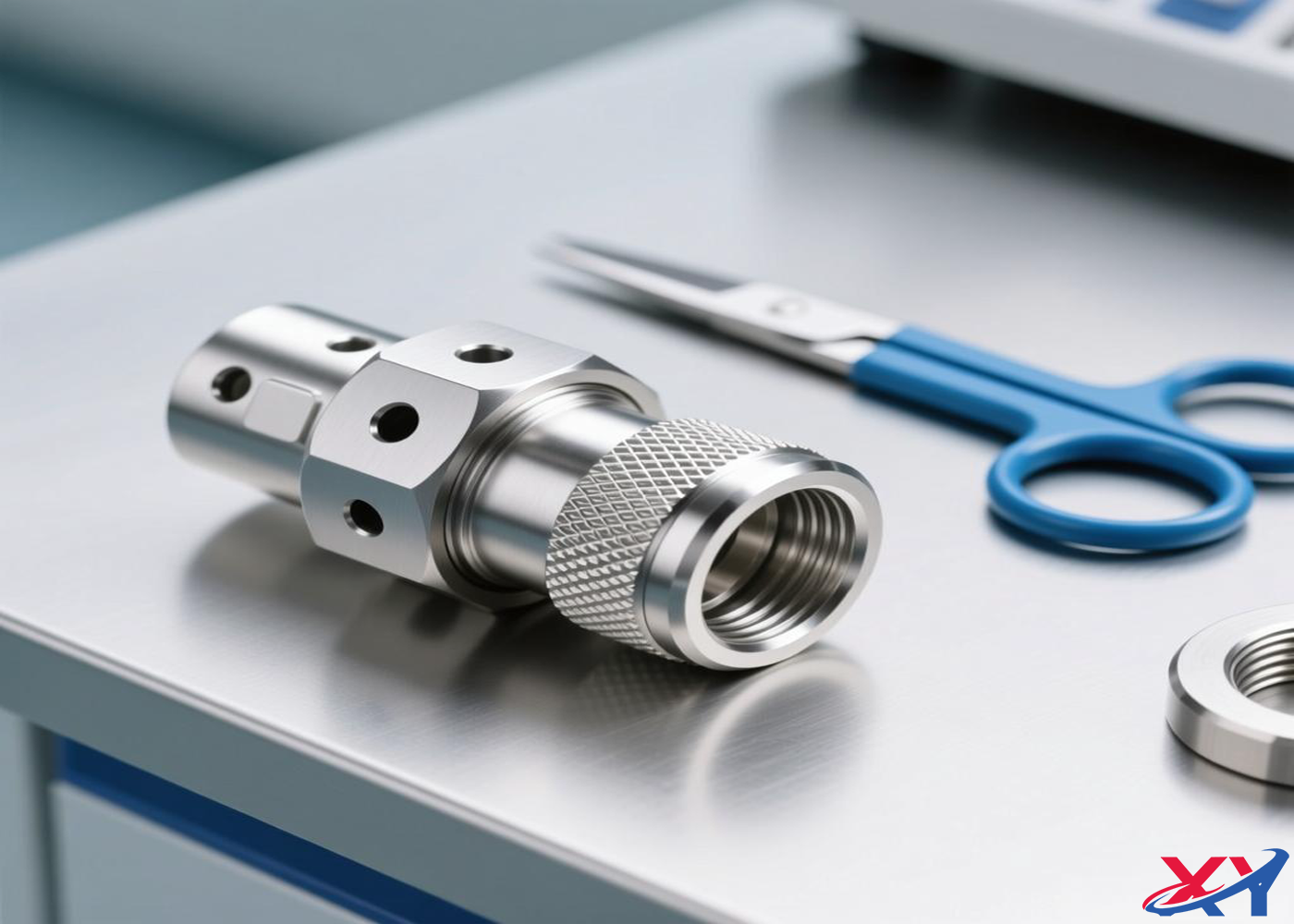
Custom Metal Component Solutions for the Medical Industry
In modern medical equipment and devices, high-precision metal components play a critical role in ensuring safety, reliability, and functional performance. XY provides global medical industry clients with one-stop custom metal component solutions, covering the entire process from design consultation, material selection, precision manufacturing, surface finishing, to quality inspection.
The medical industry demands extremely high standards for precision, material performance, and stability, as even the smallest deviation may affect device performance or patient safety. With advanced manufacturing capabilities and a strict quality management system, XY has developed a reliable and standardized production framework to support medical device manufacturers, OEM partners, research institutions, and medical product design teams worldwide.
Key Characteristics and Industry Requirements of Medical Metal Components
1. Strict Standards for Precision Manufacturing
Medical metal components typically require exceptionally high dimensional accuracy and repeatability, particularly in applications such as surgical instruments, implantable devices, and life-support equipment.
CNC precision machining is widely used to manufacture these parts, enabling the production of complex geometries and tight tolerances, including micro-channels, precision interfaces, and intricate structures that must maintain long-term consistency.
2. Biocompatible Materials and Specialized Material Selection
Medical components are commonly manufactured from stainless steel, titanium alloys, and aluminum alloys, materials known for their corrosion resistance, structural strength, and biocompatibility.
Among these materials, titanium alloys are widely used in implantable medical devices due to their excellent strength-to-weight ratio, corrosion resistance, and compatibility with human tissue, making them ideal for long-term medical applications.
3. Strict Industry Standards and Regulatory Compliance
Manufacturing medical components requires compliance with strict industry standards and regulatory requirements. Quality management systems such as ISO 9001 help ensure reliable product quality and consistent production control.
For medical device components, manufacturers must also implement traceability systems, batch control procedures, and complete manufacturing documentation, ensuring transparency and reliability throughout the entire production process.
Medical Industry Applications
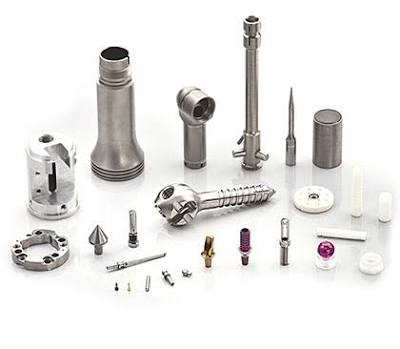
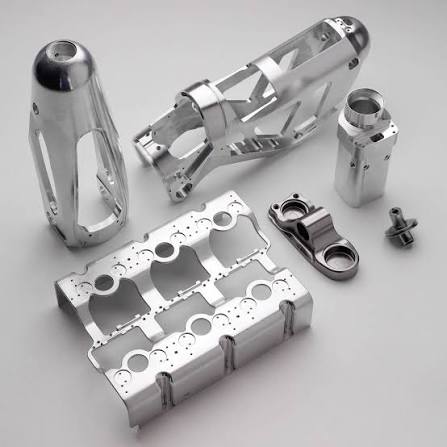
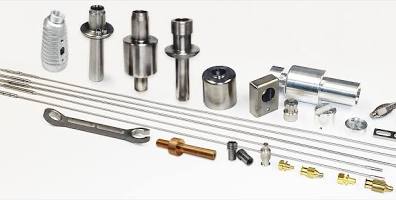
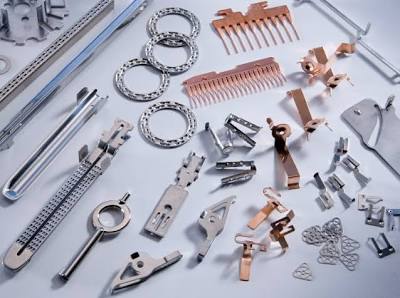
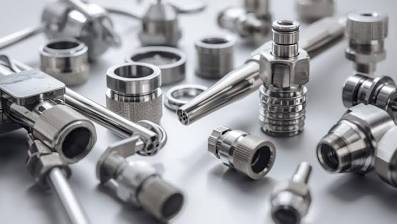
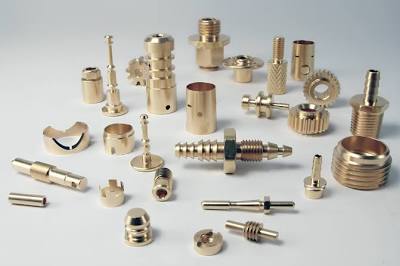
XY manufactures high-precision custom metal components for a wide range of medical equipment and devices, supporting surgical tools, diagnostic systems, laboratory automation, and medical robotics.
Surgical Instruments & Precision Tools
Surgical forceps
Cutting instruments
Positioning and guiding devices
Diagnostic Equipment Structural Components
CT scanner support brackets
MRI equipment frames and supports
Internal connection components
Life Support System Components
Critical parts used in ventilators
Precision components used in monitoring equipment
Implantable Device Components
Bone screws
Implant support components
Laboratory Automation Equipment
Micro-fluid handling devices
Precision mechanical components for automated laboratory systems
Microfluidic Medical Devices
Blood testing device components
Fluid sensor components
Automated reagent processing system parts
Medical Sensors & Actuator Components
Components used in vital-sign monitoring modules
Medical Optical Components
Optical-grade metal brackets
Precision housings
Lens mounting components
Medical RF & Communication Modules
RF sample storage components
Electromagnetic shielding housings
RF connectors
Wireless sensor module components
Medical Robotics & Automation Systems
Mechanical structural components
Motion control assemblies
Key transmission components
Medical components are commonly manufactured using stainless steel, titanium alloys, and aluminum alloys, materials known for their excellent corrosion resistance, strength, and biocompatibility.
Titanium alloys are particularly suitable for implantable medical components, as they offer lightweight properties, high strength, and exceptional resistance to corrosion in biological environments.
For surgical instruments and implantable parts, we provide medical-grade material processing, including medical-grade titanium alloys and stainless steels, ensuring compatibility with biocompatibility and body-fluid corrosion resistance requirements.
Precision CNC Machining
XY provides multi-axis CNC machining capabilities for manufacturing complex medical components with high precision.
Typical applications include:
Structural components for surgical instruments
Medical device brackets and connectors
Internal structural components for diagnostic equipment
Core components for implantable medical devices
High-precision machining ensures dimensional consistency, tight tolerances, and repeatability, which are essential requirements in medical device manufacturing.
Surface Finishing for Medical Components
To enhance durability, hygiene, and clinical compatibility, we provide multiple surface finishing and post-processing solutions, including:
Polishing & Mirror Finishing
Improves surface smoothness and cleanliness, making components easier to sterilize and maintain.
Anodizing / Passivation
Enhances corrosion resistance and surface protection, commonly used for aluminum and stainless steel medical components.
Specialized Medical-Grade Surface Treatments
Applied to components requiring biocompatibility and safe contact with surgical environments or medical equipment surfaces.
These finishing processes not only improve product performance but also ensure greater compatibility with medical environments and long-term reliability.